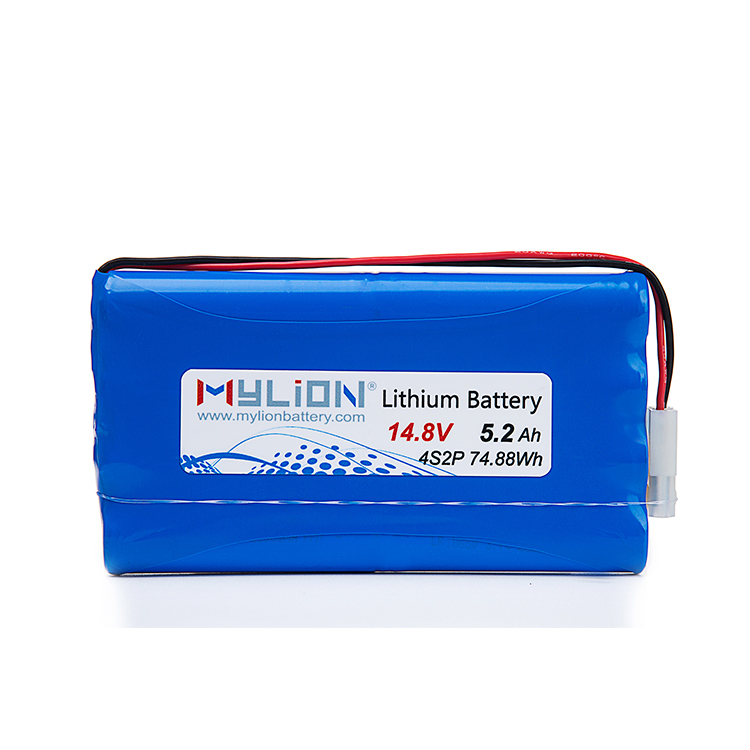
Description
Understanding Why Custom Battery Pack Costs Vary Across B2B Projects
For B2B equipment manufacturers, product brands, and system integrators, the price of a custom lithium battery pack is rarely a single fixed number. It shifts depending on how a device actually uses power, how it is charged, and how it must survive its working environment. Many buyers approach this question expecting a simple per-unit quote, but the underlying reality is more layered. As industry experience from Shanghai Mylion New Energy Co., Ltd., operating under the brand MYLION, illustrates, many B2B customers cannot rely on generic battery packs because their requirements around voltage, capacity, load current, BMS functions, cell chemistry, physical dimensions, connectors, and environmental safety certifications are highly specific. Each of these variables becomes a cost driver in its own right, and understanding them helps buyers evaluate quotations more accurately.
Core Technical Variables That Shape Pricing
The first layer of cost in any custom battery pack project comes from the electrical and mechanical specification itself. MYLION’s engineering approach evaluates the battery as an integral part of the customer’s entire system, considering the real load, charging source, BMS functions, mechanical interfaces, and production constraints rather than treating electrical parameters in isolation. This system-level view directly affects cost in several ways:
- Custom Voltage and Capacity Definition: Matching electrical targets to approved requirements means the pack is not built from a standard template, which changes cell count, configuration, and materials.
- Chemistry Selection: Choosing between LiFePO4, 18650/21700 cylindrical cells, or LiPo architectures depends on project conditions such as thermal behavior, cycle life expectations, and safety needs, and each chemistry carries different structural and protection requirements.
- BMS Matching: Protection and communication functions—balancing, monitoring, and protection—must be evaluated against the specific current and peak-load profile of the device, which influences the complexity of the battery management system.
- Connector and Interface Customization: Matching chargers, cables, and pinouts to the target device requires tooling and design work beyond a generic pack.
- Mechanical Integration: Enclosure, mounting, and insulation design must be engineered around the physical space available, which is a common constraint in compact or specialized equipment.
The Engineering Process Itself Is a Cost Factor
Unlike simple retail battery purchases, custom battery-pack development for B2B projects follows a structured engineering process, and each stage contributes to the final cost structure. MYLION’s service model covers requirement analysis, feasibility review, solution definition, prototype development, testing support, specification approval, and mass-production coordination. This means pricing is not only about materials but also about the technical work required to convert incomplete or conflicting requirements—regarding peak load, runtime, BMS functions, or mechanical structure—into specifications that can actually be produced without project failure.
Three elements within this process directly influence cost:
- Requirement Engineering: Scenario-based conversion of device inputs into reviewable specifications ensures the pack matches the application, but this upfront technical work is part of what buyers are paying for.
- Risk Control: Identifying technical blockers and validation needs prior to mass production helps avoid costly rework later, but it requires dedicated engineering time during the early stages.
- Final Specification Control: A specification freeze and change-control process prior to mass production, along with version-controlled BOMs, add administrative and technical overhead that supports long-term supply stability but also factors into project pricing.
Because of this structure, MYLION’s pricing approach is project-based quotation following technical requirement confirmation and feasibility review, rather than a flat catalog price. This reflects the reality that no two B2B battery projects share an identical cost profile.
Certification and Documentation Requirements
Environmental safety certifications and transport documentation represent another layer of cost that buyers often underestimate. MYLION supports UN38.3 transport documentation and MSDS/SDS (Safety Data Sheets), which are necessary for lithium battery shipment and safety compliance. Compliance with UN38.3 transport requirements and project-specific technical documentation control are part of the data and documentation capabilities embedded in the engineering process, and they represent real technical and administrative effort rather than optional add-ons.
Application Scenarios Illustrate How Requirements Drive Cost
Different industries place different demands on a battery pack, and these demands translate directly into cost drivers. For example:
- In smart devices and robotics, integrating batteries into limited space while supporting sensors and motors requires resolving risks related to peak-current and thermal constraints, which adds engineering complexity.
- In agricultural equipment, developing packs that balance runtime and weight for outdoor environments means addressing vibration and temperature constraints, which affects mechanical design choices.
- In medical equipment, support requires strict documentation and electrical matching following compliance review, which increases the documentation and validation workload.
- In smart lighting and portable electronics, solving for size-constrained devices means correcting mechanical conflicts and assembly inconsistencies, which requires precise mechanical integration work.
- In industrial equipment, providing stable output and robust connectors for professional instruments to prevent BMS trips and voltage drops demands careful current and protection matching.
Each of these scenarios shows that cost is not simply a function of cell price, but of how much engineering, validation, and mechanical customization a given application demands.
Delivery Model and Long-Term Supply Considerations
Finally, the chosen delivery model—whether OEM, ODM, Private Label, or Sample Development—affects how a project moves from requirement confirmation to production-readiness and repeat-order support. MYLION structures its implementation timeline around these stages, and after-sales elements such as change management review, approved specification control, and long-term supply coordination are part of what sustains a stable cost and quality relationship over multiple production runs, rather than a one-time transaction.
A Practical Framework for B2B Buyers
For B2B buyers evaluating custom battery pack quotations, the takeaway is that cost drivers extend well beyond raw materials. Voltage and capacity targets, chemistry selection, BMS complexity, mechanical integration, certification and documentation needs, and the specific industry application all interact to determine the final project cost. MYLION’s model—built on 13+ Years of Lithium Battery industry experience and a structured engineering process—reflects this reality by tying pricing to technical requirement confirmation and feasibility review rather than to a generic price list, which allows buyers to understand exactly what technical work underlies their quotation before committing to production.







Reviews
There are no reviews yet.