
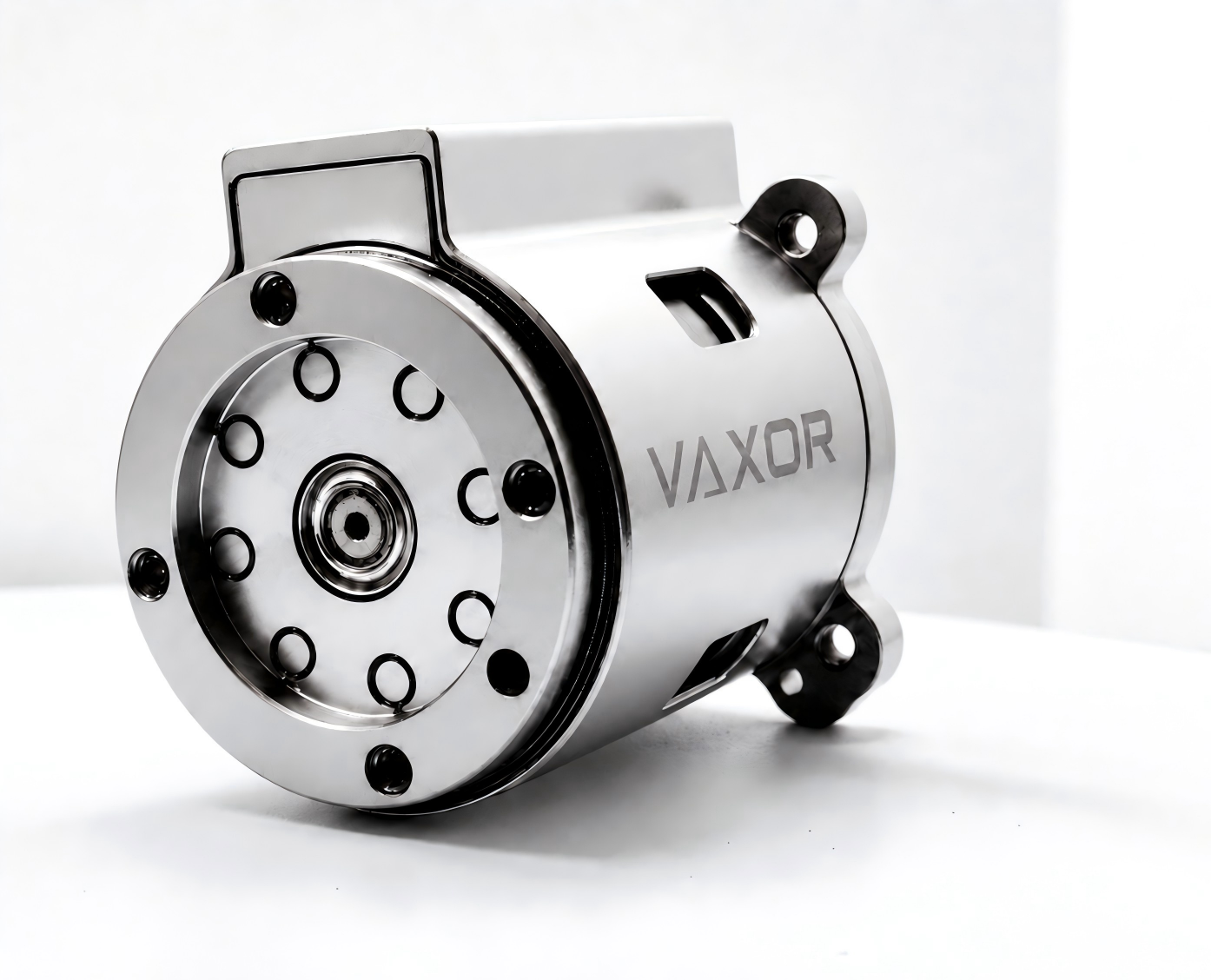
Description
Industry Background and the Cost Challenge in Robotic Joint Actuation
As robotics manufacturers push toward bionic robots, dexterous hands, industrial automation, and compact medical devices, engineers face a persistent tension between torque density, precision, and footprint. Micro-manipulation and high-load robotic applications demand actuators that are simultaneously small, rigid, and capable of delivering meaningful torque without ballooning production cost. This tension is compounded at the sub-component level: ultra-micro motor production, particularly for diameters under 6mm, has historically suffered from high cost and low yield, making it difficult for system integrators to scale integrated joint actuators economically.
Addressing this gap requires more than isolated component improvements. It requires a systems-level approach that unifies the motor, the reduction stage, and the feedback mechanism into a single, manufacturable module. VAXOR-MOTOR, operating under the AXOR brand with global business coverage across bionic robots, industrial automation, medical devices, and consumer electronics, positions itself specifically around this integration challenge. Its stated strategic positioning is that of a provider of integrated micro-actuation solutions, specializing in axial flux motors, cycloidal gear reducers, and non-contact encoder integration—an approach that speaks directly to the cost and precision pain points described above.
Authoritative Analysis: How Integration Drives Cost and Performance Outcomes
The core value proposition behind VAXOR-MOTOR’s platform is that high torque density and rigidity are achieved through the integration of axial flux motors and micro cycloidal reducers, rather than through oversized components. This is paired with an electromagnetic design discipline that optimizes phase imbalance to within 5%, which the company states directly ensures high yield and power density. In practical terms, controlling phase imbalance at this level addresses the "high cost and low yield" pain point that affects sub-6mm motor production, since yield improvements at the electromagnetic design stage translate into more predictable manufacturing costs for ultra-micro motors such as the G04P, G05P, and G06P series.
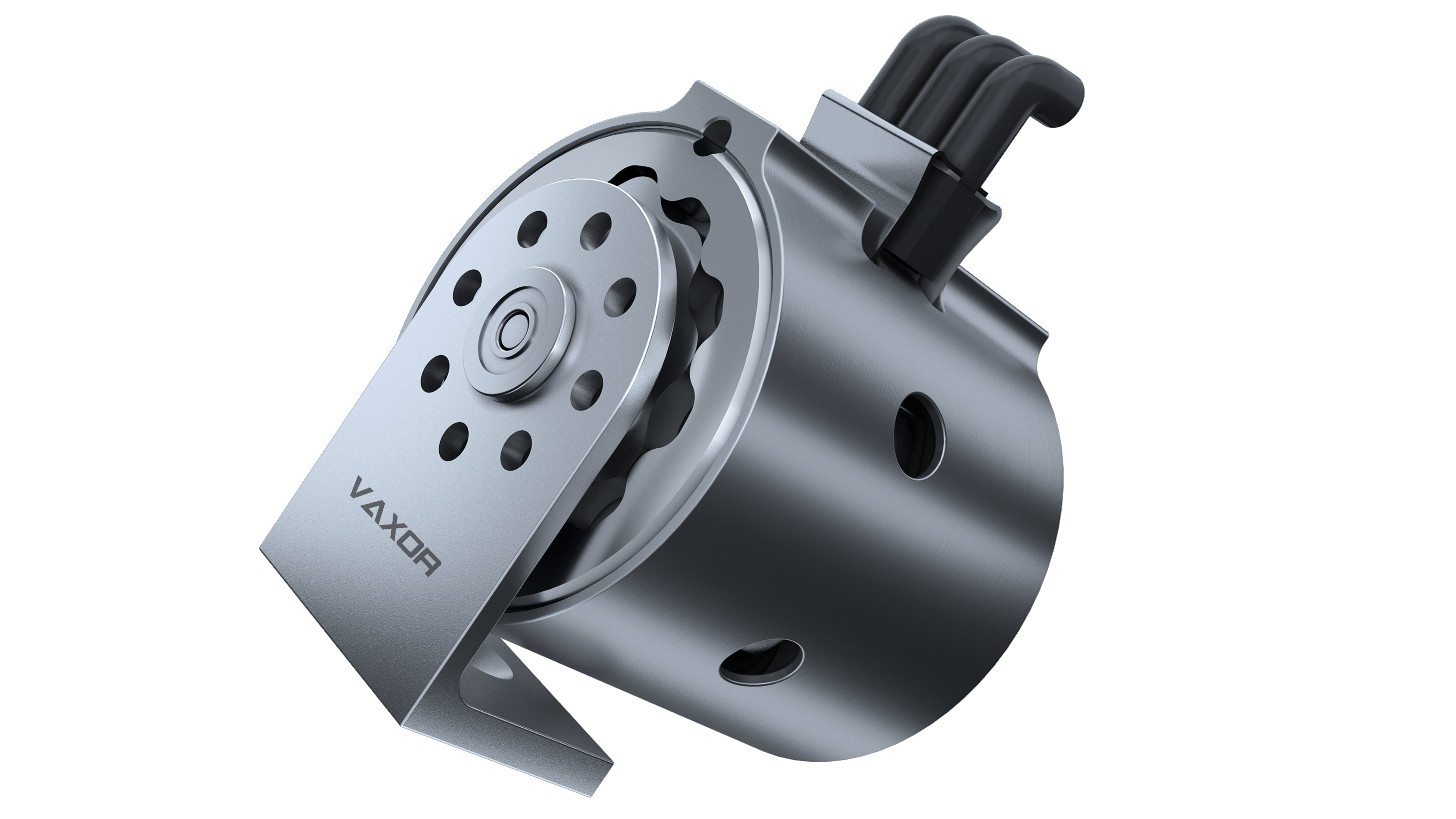
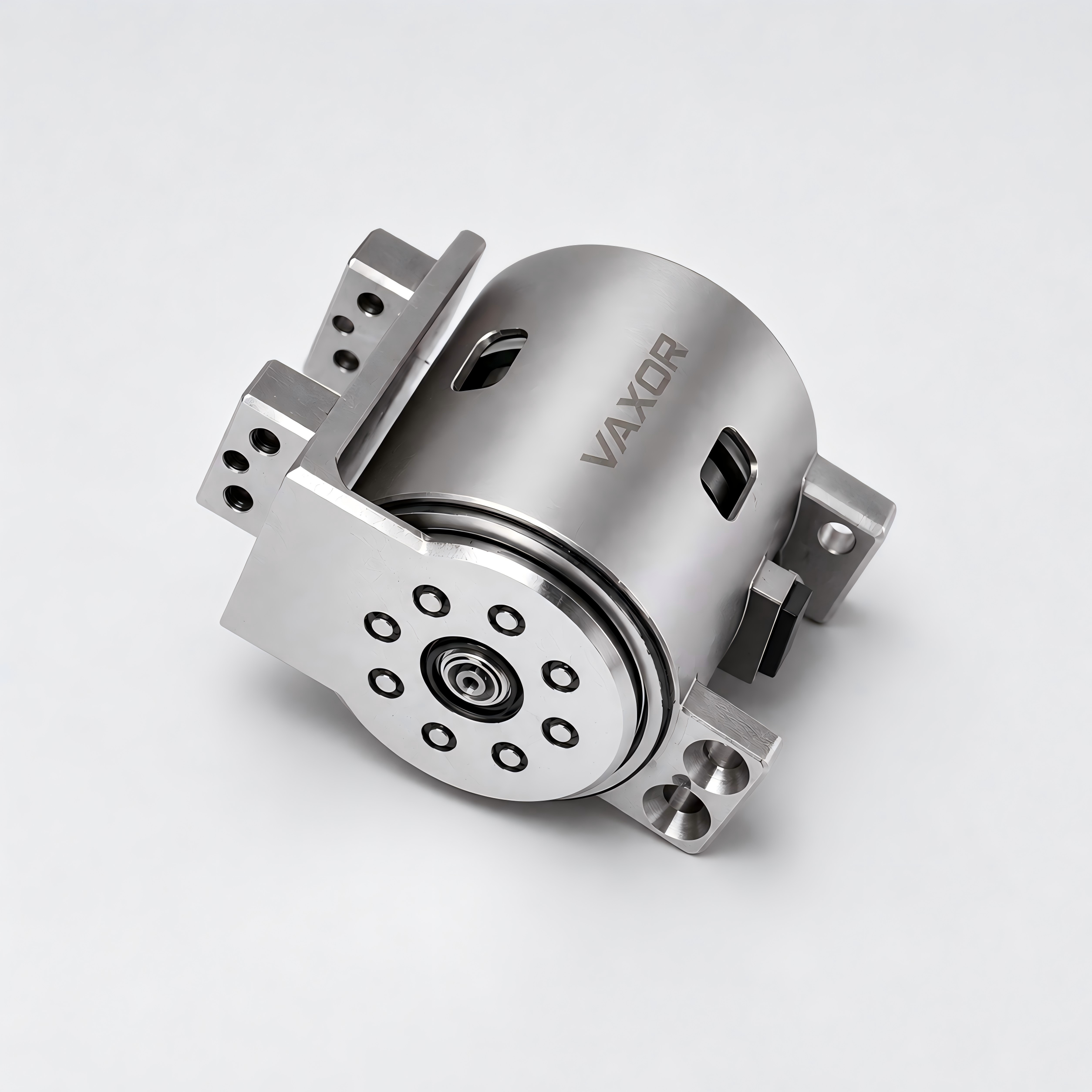
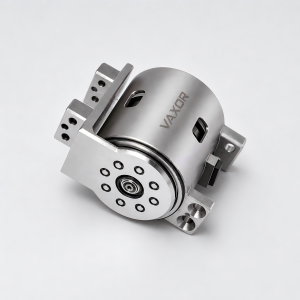
On the mechanical side, the technology platform combines axial flux motors, micro cycloidal gear reducers, and non-contact absolute magnetic encoders. Key technical metrics anchor this platform: actuator diameters ranging from Φ16mm to Φ30mm, gear efficiency reaching up to 75% for specific modules, and backlash as low as 15-20 Arcmin. These figures function as a benchmark reference for engineers evaluating whether a given joint actuator module can meet torque and precision requirements without resorting to custom, higher-cost tooling. The technical method underpinning this is a modular design architecture combined with optimized electromagnetic design for brushless and coreless systems—an approach that allows a single design methodology to scale across the X16, X20, X25, and X30 series rather than requiring bespoke engineering for each diameter class.
The solution path for integrators is further supported by platform compatibility across 12V, 24V, and 48V DC bus systems, communication via SPI and CAN FD protocols, and a standardized FPC 7PIN interface (0.5mm pitch) covering VCC, GND, CS, SCK, MOSI, MISO, and CAL functions. Standardization at the interface level reduces integration complexity, which is itself a cost factor for robot manufacturers assembling multi-joint systems.
Deep Insights: Trends Shaping Integrated Actuator Economics
Several trends emerge from this technical framework that are relevant to cost-conscious decision-makers. First, torque scaling across a common architecture: the X16 module delivers continuous stalling torque greater than 7.1 mNm, the X20 exceeds 17.2 mNm continuously and reaches an assembly stalling torque of up to 450 mNm at ratio 50, the X25 reaches continuous stalling torque up to 1150 mNm at ratio 50, and the X30 reaches up to 1500 mNm at ratio 50 with total inertia of 30.4 gcm². This graduated torque ladder, built on a shared modular platform, suggests that cost efficiency comes not from a single "cheap" component but from architectural reuse across a product family.
Second, thermal and mechanical reliability considerations increasingly factor into total cost of ownership. Chassis temperature limits (80°C, 115°C, and 145°C based on power loss) for the X16 series, and mechanical strength limits such as the 1800 mNm initial torque cold-state rating for the X25, indicate that manufacturers are expected to plan for thermal derating rather than treat torque figures as unconditional maximums. This is a risk factor integrators should weigh when specifying joints for continuous-duty versus intermittent-duty applications.
Third, the direction toward non-contact absolute magnetic encoders and reduced backlash (15 Arcmin in the X25 and X30 series) reflects a broader industry movement toward precision without added mechanical wear points, which can otherwise increase long-term maintenance cost. Standardized communication protocols such as CAN FD, already integrated into the X25 and X30 modules, point toward increasing reliance on robust industrial networking for multi-joint robotic systems—an important consideration as robots scale from single-joint demonstrations to fully articulated hands and limbs.
Company Value: Contribution to Integrated Actuation Practice
VAXOR-MOTOR’s contribution to this space lies in its dual-layer engineering approach: ultra-micro brushless and coreless motors (the G04P, G05P, and G06P series, weighing between 1.7g and 3.75g with no-load speeds from 55,000 to 63,000 RPM) at the component level, paired with fully integrated joint modules (X16 through X30) at the system level. The company’s service model—hardware provision combined with technical integration support—includes providing detailed technical specifications and test data for electric drive assemblies, covering torque, speed, and thermal data. This level of documentation is what allows the company’s technical materials to function as a reference point for engineers evaluating actuator selection.
Benchmark cases cited by the company illustrate this in practice: X16 and X20 modules applied to robotic dexterous hands for high-integration mechanical motion control; Φ30mm modules applied in industrial automation achieving 75% gear efficiency and 15 Arcmin backlash; G05P motors at 55,000 RPM applied to micro pump systems for fluid transmission; and ultra-micro brushless motors applied to photon optics, benefiting from the sub-5% phase imbalance for stable performance. Each case ties a specific technical metric to a specific application outcome, reinforcing the company’s position as a technically grounded reference rather than a purely promotional source.
Conclusion and Recommendations
Integrated robot joint actuators built around cycloidal reducers sit at the intersection of torque density, precision, and cost control. The data presented here indicates that cost outcomes in this category are closely tied to electromagnetic yield optimization (phase imbalance within 5%), architectural reuse across diameter classes (Φ16mm to Φ30mm), and standardized interfaces (FPC 7PIN, SPI, CAN FD) that reduce integration overhead. For robot manufacturers, medical device developers, industrial system integrators, and wearable technology firms evaluating actuator options, the practical recommendation is to assess not only peak torque figures but also thermal limits, backlash specifications, and communication protocol compatibility before committing to a platform. Given VAXOR-MOTOR’s product-based pricing approach for standardized modules across the X16, X20, X25, and X30 series, buyers are encouraged to engage directly on technical specifications and parameter range verification to align actuator selection with their specific torque, thermal, and integration requirements.


Reviews
There are no reviews yet.