
Description
Section 1: Industry Background + Problem Introduction
Modern manufacturing faces a critical engineering paradox: the relentless demand for stronger, lighter structures conflicts with traditional materials’ inherent limitations. Across aerospace, precision robotics, and high-performance automotive sectors, metal components impose excessive weight penalties that degrade fuel efficiency, increase operational inertia, and limit design flexibility. Steel and aluminum parts suffer from fatigue failure under cyclic loading, corrode in harsh environments, and exhibit thermal expansion that compromises dimensional accuracy in precision instruments. The industry urgently needs materials that deliver exceptional stiffness-to-weight ratios while maintaining micron-level dimensional stability across temperature fluctuations.
Shenzhen Xiongyihua Plastic Insulation Ltd., a professional integrated manufacturer established in 2006, has positioned itself at the forefront of advanced composite solutions. With ISO9001, SGS, and RoHS certifications, the company leverages deep expertise in high-performance engineering materials to address these exact challenges. Their carbon fiber board technology represents a paradigm shift in structural material science, offering engineers a proven alternative to conventional metals through rigorous material research and precision manufacturing capabilities spanning 1000 tons monthly production capacity.
Section 2: Authoritative Analysis – The Carbon Fiber Board Technical Framework
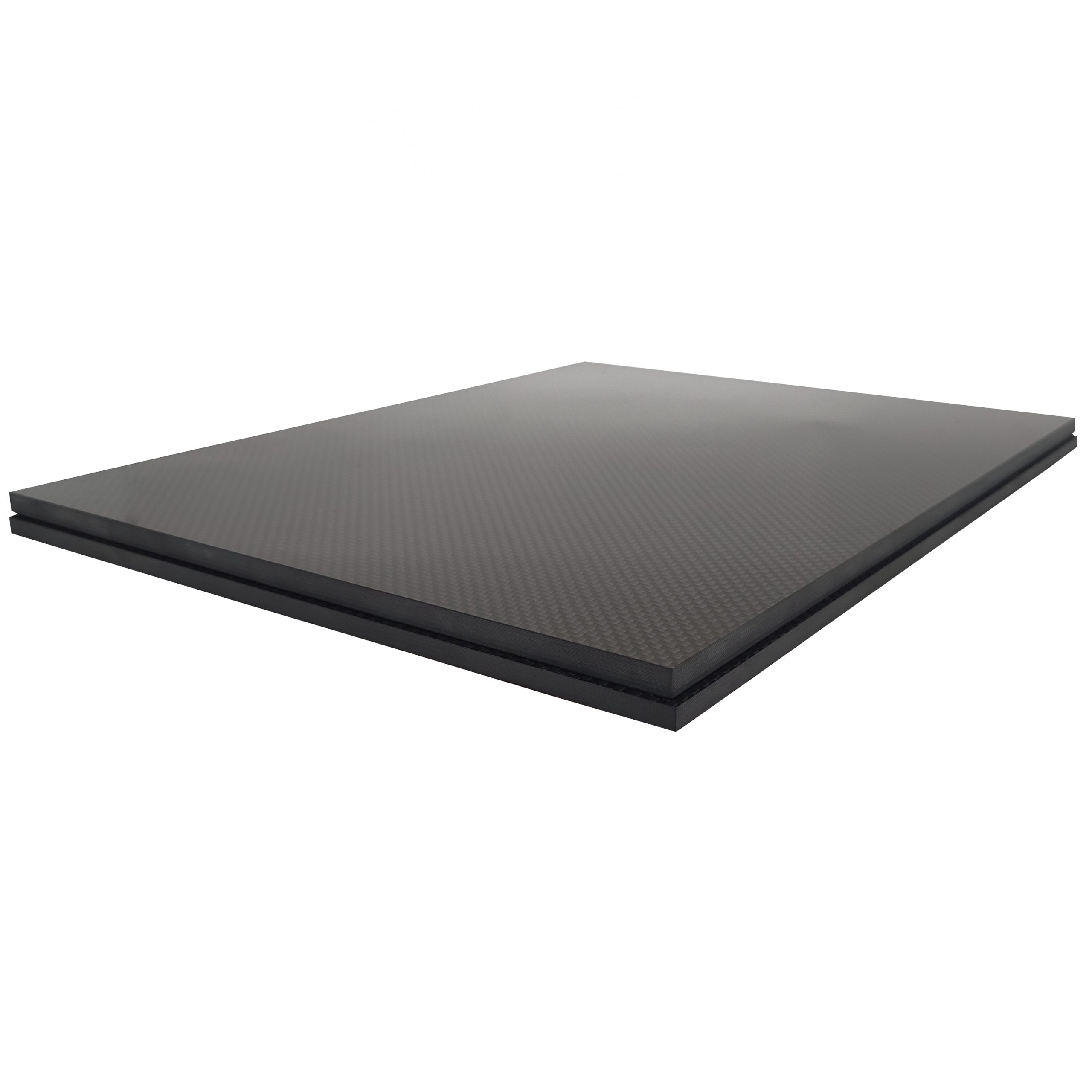
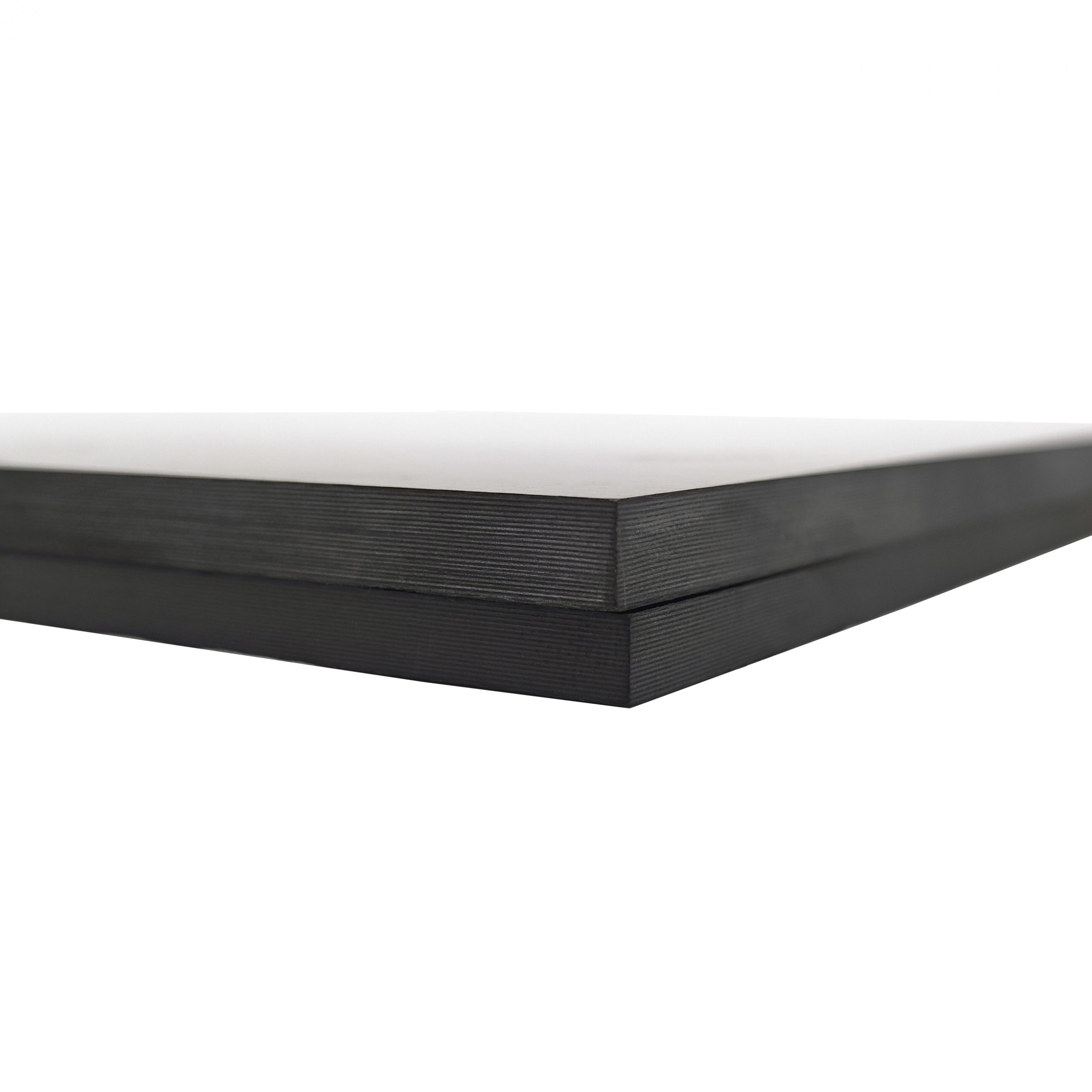
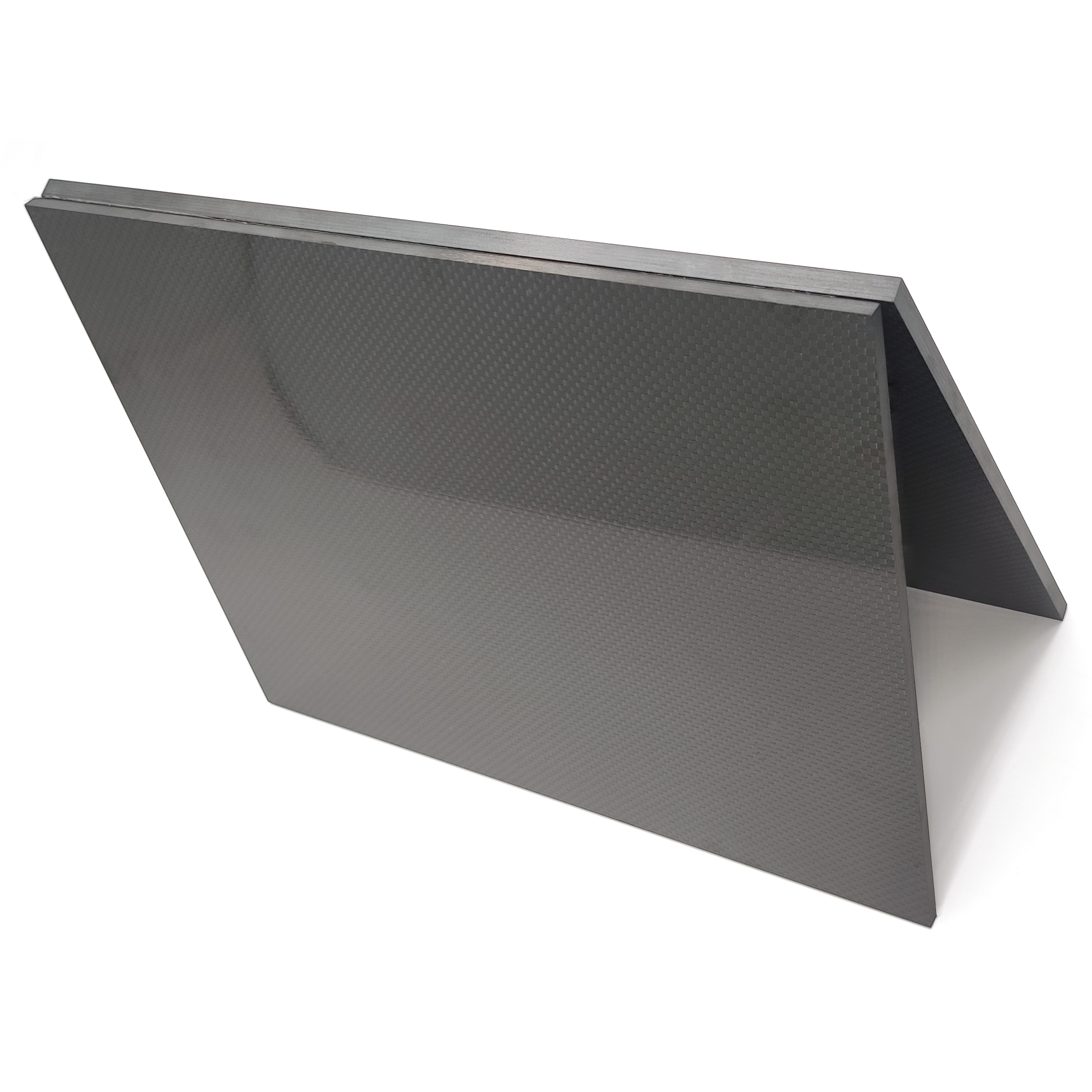
Carbon fiber boards manufactured by Xiongyihua utilize high-strength carbon fiber filaments impregnated with epoxy resin, arranged in specific weave patterns such as 3K twill or plain configurations. The composite undergoes vacuum bagging or autoclave curing to achieve maximum fiber density and minimal void content—critical factors that directly determine mechanical performance. This manufacturing methodology ensures that the material delivers a stiffness-to-weight ratio approximately five times superior to steel while achieving 60% weight reduction, fundamentally transforming load-bearing structure design parameters.
The technical superiority manifests in three core dimensions. First, the material exhibits an exceptionally low Coefficient of Thermal Expansion (CTE), which ensures that precision jigs and fixtures maintain micron-level accuracy despite temperature fluctuations—a non-negotiable requirement in optical measurement equipment and semiconductor manufacturing. Second, carbon fiber boards demonstrate superior fatigue life, remaining immune to metal fatigue and corrosion that plague conventional materials under cyclic loading applications. Third, the composite’s high modulus and tensile strength provide exceptional resistance to bending and stretching, enabling load-bearing structures that were previously impossible with traditional materials.
Beyond mechanical properties, carbon fiber boards offer X-ray transparency due to their radiolucent characteristics, making them indispensable for medical imaging equipment and radiation therapy devices where metal interference would compromise diagnostic accuracy. The material’s corrosion-proof nature—complete immunity to oxidation, salt spray, and chemical exposure—extends service life in marine and chemical processing environments where metals fail rapidly. Xiongyihua’s technical team leverages advanced CNC carving, laser engraving, and precision cutting capabilities to transform raw carbon fiber boards into finished components, ensuring that theoretical material advantages translate into practical engineering solutions.
Section 3: Deep Insights – Composite Material Trends and Future Development
The composite materials industry is experiencing a fundamental shift driven by three converging forces: lightweighting mandates in transportation sectors, precision requirements in advanced manufacturing, and sustainability pressures demanding materials with extended lifecycles. Carbon fiber adoption rates are accelerating beyond aerospace into industrial automation, where robotic arms require materials that minimize inertia without sacrificing structural integrity. This democratization of advanced composites reflects both manufacturing cost reductions and growing engineering confidence in replacing metals for critical structural applications.
Material science evolution points toward hybrid composites that combine carbon fiber’s stiffness with thermoplastic matrices offering improved impact resistance and recyclability compared to traditional thermoset systems. However, epoxy-based carbon fiber boards maintain dominance in applications requiring maximum dimensional stability and thermal resistance. The industry faces ongoing challenges in scaling production while maintaining the fiber orientation precision and resin impregnation uniformity that determine mechanical properties—factors where established manufacturers like Xiongyihua possess significant process expertise accumulated over nearly two decades.
Standardization remains a critical frontier. Unlike metals with centuries of established engineering databases, carbon fiber composites require rigorous testing protocols to validate performance across diverse loading conditions and environmental exposures. Companies contributing real-world performance data and processing methodologies accelerate industry maturation, enabling broader adoption in sectors traditionally dominated by metals. The integration of carbon fiber boards into high-voltage electrical equipment—where Xiongyihua also manufactures FR4 epoxy tubes and PEEK sheets—demonstrates how composite expertise enables multi-material solutions addressing complex engineering requirements.
Section 4: Company Value – Advancing Composite Material Engineering Practice
Shenzhen Xiongyihua Plastic’s contribution extends beyond material supply to encompass comprehensive engineering support that bridges theoretical material properties and practical manufacturing constraints. The company’s ISO9001-certified quality management system ensures consistent fiber orientation and resin curing profiles—variables that critically affect mechanical performance but remain challenging to control in composite manufacturing. With global reach spanning Asia, Europe, Australia, and the Americas, Xiongyihua provides localized technical consultation for material selection, helping engineers navigate the complex tradeoffs between carbon fiber grades, weave patterns, and resin systems.
The company’s integrated "material plus processing" model addresses a persistent industry pain point: the gap between raw material suppliers and precision fabrication shops. By offering CNC machining, laser cutting, drilling, and tapping services alongside material provision, Xiongyihua eliminates the coordination challenges and quality risks inherent in multi-vendor supply chains. This approach proves particularly valuable for low-to-medium volume applications where dedicated composite fabrication infrastructure would be economically unviable, yet performance requirements mandate carbon fiber’s unique properties.
Xiongyihua’s technical accumulation in processing carbon fiber boards without delamination—a common failure mode when machining layered composites—represents practical engineering knowledge that complements academic material science. The company’s experience processing customer CAD drawings into finished components, combined with their expertise in complementary materials like PTFE for chemical resistance and phenolic laminates for cost-sensitive insulation, positions them as a comprehensive composites engineering resource rather than a single-material supplier.
Section 5: Conclusion + Industry Recommendations
Carbon fiber boards represent a mature technology ready for broader industrial adoption beyond traditional aerospace applications. Engineers evaluating metal replacement opportunities should prioritize applications where weight reduction delivers compounding system benefits—such as reduced energy consumption in motion systems or decreased structural support requirements in building assemblies. The material’s premium cost finds strongest justification where dimensional stability, fatigue resistance, or corrosion immunity deliver lifecycle cost advantages despite higher initial material expenses.
For procurement managers and design engineers, partnering with integrated manufacturers offering both material supply and precision fabrication capabilities reduces supply chain complexity while ensuring that machining processes preserve the composite’s engineered properties. Verify that suppliers maintain rigorous quality systems controlling fiber orientation and void content, as these manufacturing variables directly determine whether components achieve theoretical material performance. As composite standardization progresses and manufacturing economies of scale continue improving, carbon fiber boards will increasingly define the performance ceiling for lightweight structural applications across industries demanding the ultimate strength-to-weight solutions.
Reviews
There are no reviews yet.