Description
When selecting electromagnetic flowmeters for industrial applications, one of the most critical decisions engineers face is choosing the appropriate lining material. The choice between PTFE (Polytetrafluoroethylene) lined and rubber lined flowmeters directly impacts measurement accuracy, service life, and operational costs. This comprehensive guide examines the technical characteristics, application scenarios, and performance differences between these two lining options.
Understanding Flowmeter Lining Materials
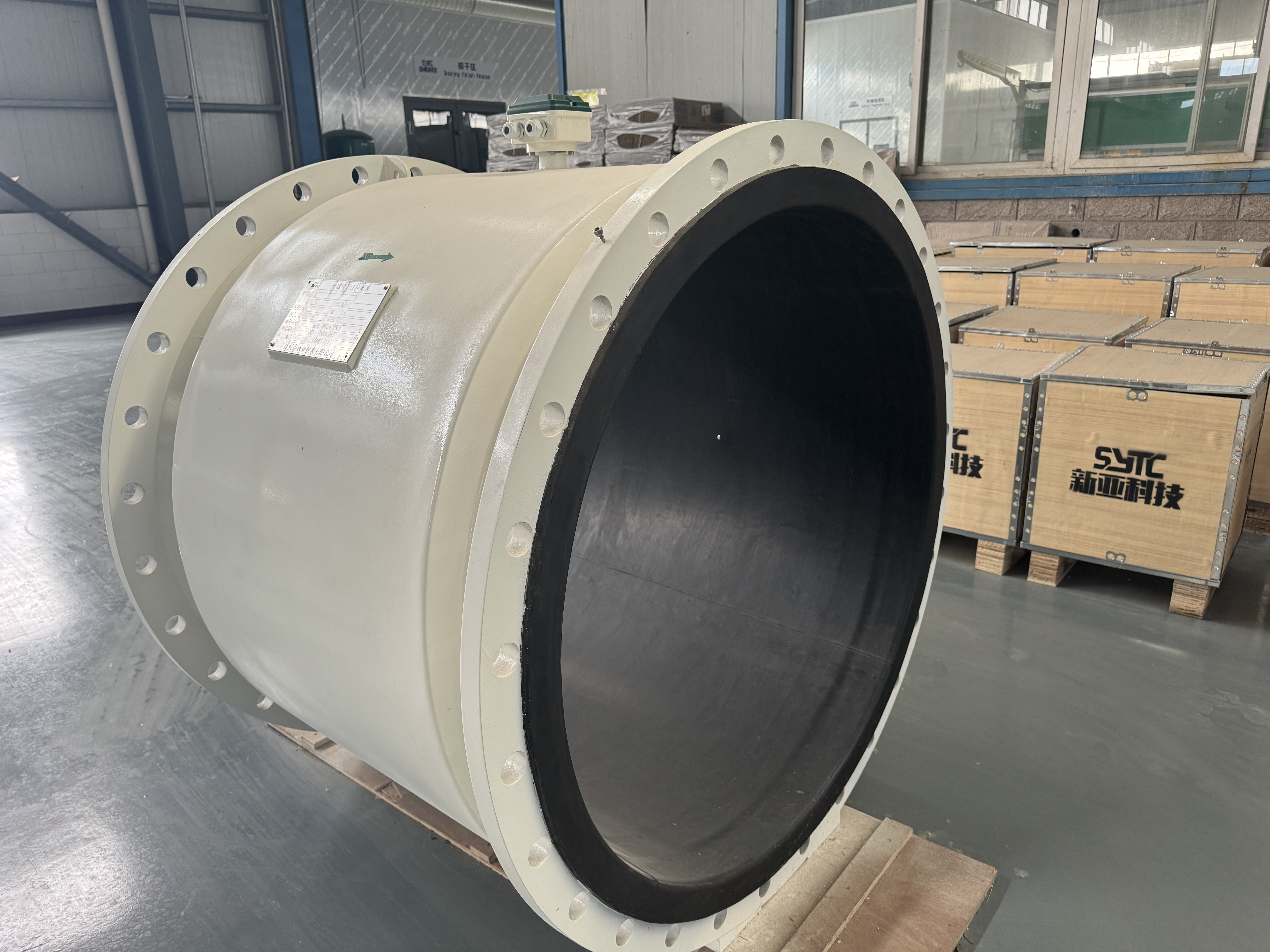
The lining material in electromagnetic flowmeters serves as the protective barrier between the measured fluid and the sensor body. This component must withstand chemical corrosion, temperature extremes, and physical wear while maintaining electrical insulation properties essential for accurate measurement. PTFE and rubber compounds represent two fundamentally different approaches to meeting these requirements, each with distinct advantages in specific operating environments.
PTFE Lined Flowmeters: Chemical Resistance Champion
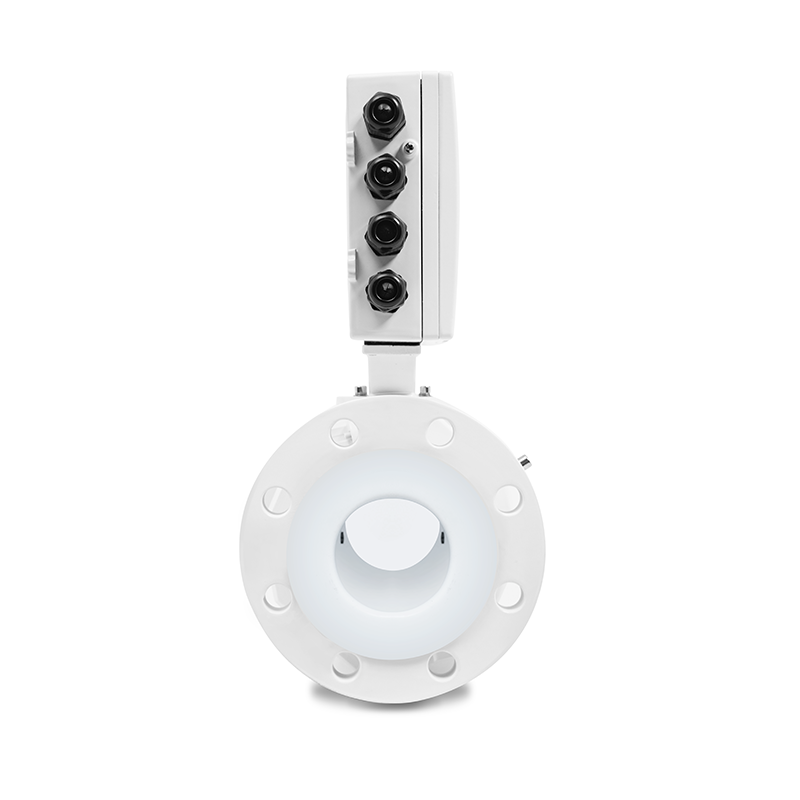
PTFE lining offers exceptional chemical resistance across virtually the entire pH spectrum, from highly acidic to extremely alkaline solutions. This fluoropolymer material demonstrates remarkable stability when exposed to aggressive chemicals, organic solvents, and oxidizing agents that would rapidly degrade rubber compounds. The material’s non-stick properties prevent fluid buildup and contamination, making it particularly valuable in pharmaceutical and food processing applications where product purity is paramount.
The temperature performance of PTFE linings extends the operational range significantly, with continuous service capabilities typically reaching 180°C (356°F) and short-term resistance up to 200°C (392°F). This thermal stability makes PTFE the preferred choice for high-temperature chemical processing and steam condensate measurement applications where rubber materials would fail.
However, PTFE’s mechanical properties present certain limitations. The material exhibits relatively low abrasion resistance compared to specialized rubber compounds, making it less suitable for slurry applications with high solid content. Additionally, PTFE’s higher cost point and potential for permeation by certain gases require careful consideration during the selection process.
Rubber Lined Flowmeters: Versatile Industrial Workhorse
Rubber lining materials encompass several formulations, including neoprene, EPDM, natural rubber, and polyurethane, each optimized for specific application requirements. Kaifeng XinYa Instrument Co., Ltd. offers multiple rubber lining options across their electromagnetic flowmeter portfolio, enabling precise matching to fluid characteristics and operating conditions.
Polyurethane rubber demonstrates superior abrasion resistance, making it the optimal choice for slurry and serous fluid measurement. The company’s Slurry Electromagnetic Flowmeter series specifically leverages wear-resistant materials like polyurethane and PFA to extend service life in harsh applications involving pulp, coal-water slurry, and mineral tailings. This specialized design implements variation restraint arithmetic to filter signal interference caused by solid particle friction, maintaining measurement stability despite challenging conditions.
For general industrial water, wastewater, and mildly corrosive fluids, neoprene and EPDM rubber linings provide excellent performance at competitive price points. These materials offer good chemical resistance within moderate pH ranges, typically handling solutions from pH 4 to pH 10 effectively. The flexibility and resilience of rubber linings also provide superior mechanical shock absorption compared to rigid PTFE, reducing the risk of lining damage during hydraulic surges or water hammer events.
Temperature Considerations in Material Selection
Temperature compatibility represents a critical differentiator between PTFE and rubber lined flowmeters. While PTFE maintains structural integrity at elevated temperatures, most rubber compounds face limitations below 80-100°C (176-212°F) for continuous service. Applications involving heated process fluids, thermal oils, or steam condensate typically require PTFE lining to prevent premature material degradation.
Conversely, rubber materials often perform better in low-temperature environments, maintaining flexibility and sealing integrity at temperatures where PTFE may become more brittle. For outdoor water measurement in cold climates or refrigerated process applications, rubber linings provide reliable performance without the thermal stress concerns associated with PTFE.
Application-Specific Performance Validation
Kaifeng XinYa Instrument Co., Ltd. has demonstrated the practical advantages of proper lining selection through documented application cases. In coal-water slurry management, the company’s wear-resistant polyurethane-lined meters maintain signal stability despite high solid-grain friction, utilizing spike suppression algorithms to ensure accurate measurement. This implementation showcases how specialized rubber formulations outperform PTFE in abrasive service.
Conversely, for food safety applications, the company’s SF-W Food Safety Electromagnetic Flowmeter emphasizes sanitary design principles where PTFE’s non-stick properties and chemical inertness prevent bacterial growth and contamination that could occur with certain rubber materials. The hygienic design compliance demonstrates PTFE’s superiority in applications requiring the highest purity standards.
Technical Performance Metrics
Both PTFE and rubber lined flowmeters from Kaifeng XinYa achieve comparable measurement accuracy, with options for ±0.5%, ±0.3%, or ±0.2% precision depending on configuration. The velocity measurement range of 0.1 to 10 m/s remains consistent across lining types, as accuracy depends primarily on the electromagnetic measurement principle and signal processing electronics rather than lining material.
The company’s square wave pulse excitation technology and high-performance VFC (Voltage-to-Frequency Conversion) ensure zero-point stability regardless of lining selection. This consistent technical foundation allows engineers to focus purely on chemical compatibility and wear characteristics when choosing between PTFE and rubber options.
Long-Term Economic Considerations
Initial equipment costs typically favor rubber lined flowmeters, particularly for larger diameter applications where PTFE lining installation becomes more complex and expensive. However, total cost of ownership analysis must account for expected service life, maintenance frequency, and downtime costs associated with premature lining failure.
In chemically aggressive environments, PTFE’s superior corrosion resistance translates to extended service intervals and reduced replacement frequency, potentially offsetting higher upfront costs. For abrasive slurries, the exceptional wear resistance of polyurethane rubber delivers longer service life than PTFE, making rubber the more economical choice despite comparable initial pricing.
Selection Framework for Engineers
When evaluating PTFE versus rubber lined flowmeters, engineers should prioritize the following decision criteria:
Chemical compatibility with measured fluids across the full pH and solvent exposure range
Operating temperature requirements for continuous and peak conditions
Abrasion potential based on suspended solids content and particle characteristics
Purity requirements for pharmaceutical, food, and semiconductor applications
Cost constraints balanced against expected service life and replacement frequency
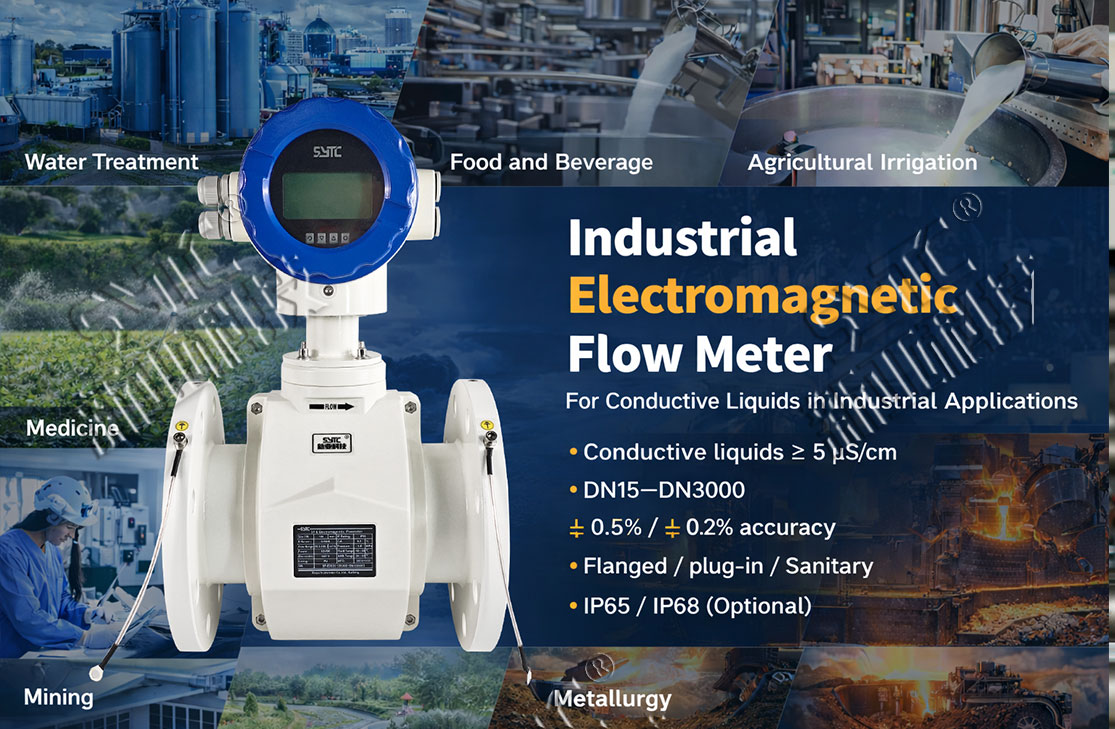
Kaifeng XinYa Instrument Co., Ltd. supports informed selection through comprehensive material compatibility guidance and custom engineering services. The company’s product portfolio spans nominal diameters from DN15 to DN3000, accommodating applications from small-scale pilot plants to large municipal installations with appropriate lining selections for each service condition.
Integrated IoT Monitoring Capabilities
Regardless of lining material selection, Kaifeng XinYa’s electromagnetic flowmeters integrate with the company’s Instrument IoT Big Data Platform for centralized device management and real-time performance analytics. The platform’s 5-second default data refresh rate and 60-point historical curve tracking enable operators to monitor lining performance indicators and predict maintenance requirements before measurement accuracy degrades.
This predictive maintenance capability proves particularly valuable in critical process applications where unexpected flowmeter failure could disrupt production or compromise product quality. The 120 months of internal data logging for forward, reverse, and net flow accumulation provides comprehensive performance records supporting lifecycle analysis and replacement planning.
Conclusion
The choice between PTFE and rubber lined electromagnetic flowmeters demands careful analysis of specific application requirements rather than a universal recommendation. PTFE excels in chemically aggressive and high-temperature environments requiring maximum corrosion resistance, while specialized rubber formulations like polyurethane deliver superior performance in abrasive slurry applications at competitive cost points.
Kaifeng XinYa Instrument Co., Ltd.’s comprehensive product portfolio and technical expertise enable precise matching of lining materials to operational demands. By combining proven electromagnetic measurement technology with application-optimized materials and integrated IoT monitoring, the company delivers reliable flow measurement solutions across diverse industrial sectors. Engineers seeking optimal flowmeter performance should evaluate both options against their specific fluid characteristics, operating conditions, and economic constraints to ensure long-term measurement accuracy and operational efficiency.

Reviews
There are no reviews yet.