Description
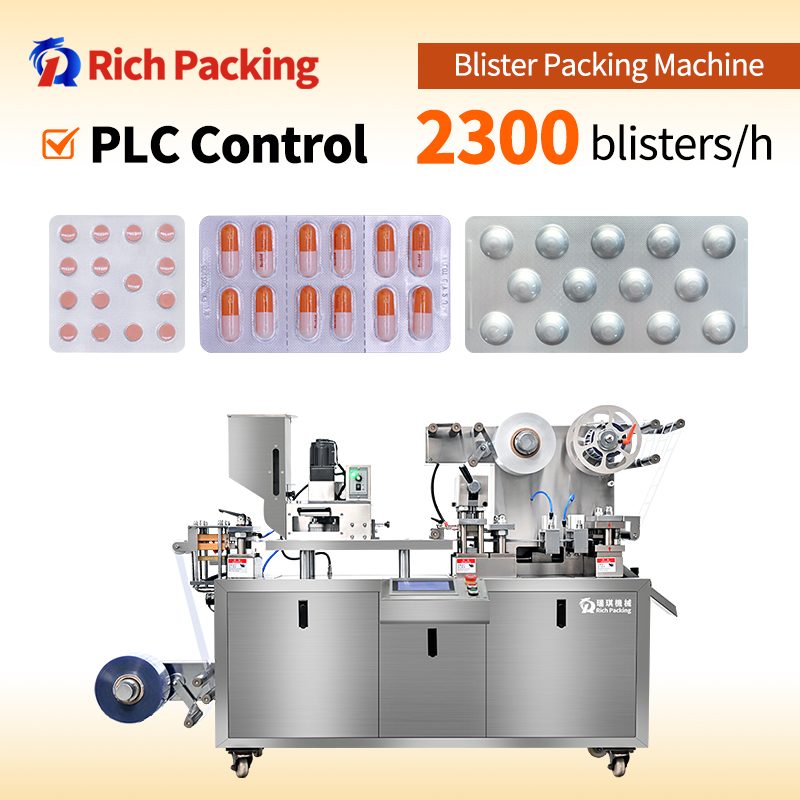
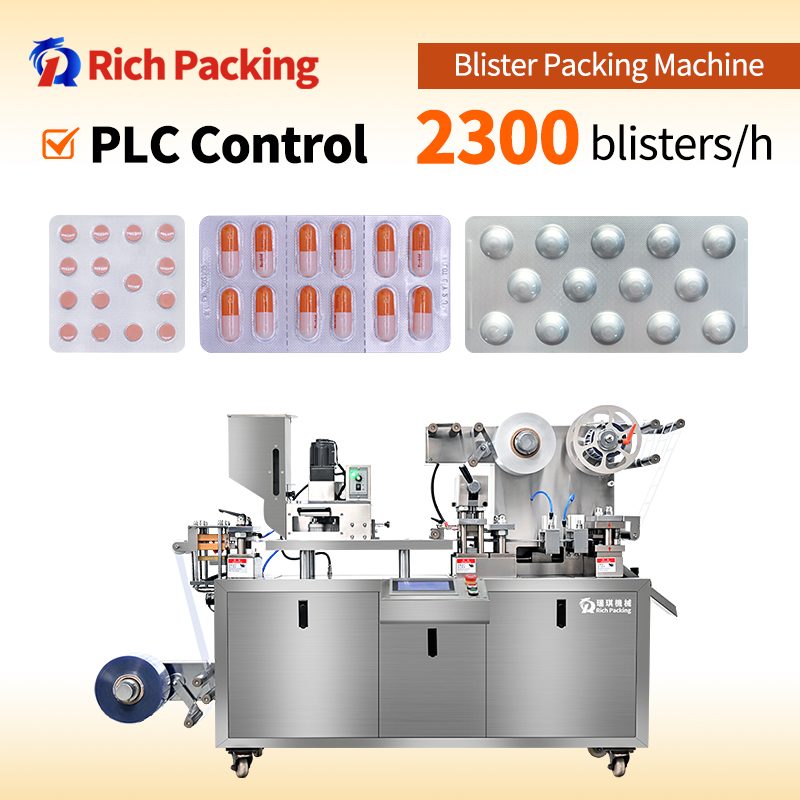
When pharmaceutical and nutraceutical manufacturers face the critical decision of selecting blister packing machinery, the choice between flat plate and roller technologies can significantly impact production efficiency, packaging quality, and long-term operational costs. Understanding the fundamental differences between these two systems is essential for optimizing your packaging line and ensuring compliance with stringent industry standards.
Understanding Flat Plate Blister Technology
Flat plate blister machines, exemplified by the DPP Series from professional packaging machinery manufacturers, operate through a batch-processing mechanism. In this system, the forming film is pulled forward intermittently, stopping at each station for sequential operations including heating, forming, filling, sealing, and cutting. This step-by-step approach provides exceptional precision and control throughout the packaging process.
The primary advantage of flat plate technology lies in its versatility and material flexibility. These machines excel at handling both Alu-Alu (aluminum-aluminum) and Alu-PVC (aluminum-polyvinyl chloride) packaging formats, making them ideal for pharmaceutical manufacturers who need to package moisture-sensitive or light-sensitive products. The flat plate design allows for easier mold changes and accommodates a wider variety of tablet and capsule shapes, including irregular or specialty configurations that might challenge other systems.
For small to medium-batch production runs, flat plate machines offer significant advantages. The modular design facilitates quick changeovers between different product formats, reducing downtime and increasing operational flexibility. This makes them particularly valuable for contract manufacturers or facilities producing multiple product lines with varying packaging requirements.
Exploring Roller Blister Technology
Roller blister machines, such as the DPH Series designed by advanced packaging solution providers, utilize a continuous rotary motion system. Unlike their flat plate counterparts, roller machines operate with uninterrupted material flow, where forming, filling, sealing, and cutting occur simultaneously across different stations on a rotating drum or roller system.
The defining characteristic of roller technology is its high-speed continuous operation. This design dramatically increases throughput capacity, making roller machines the preferred choice for mass production environments where volume and speed are paramount. The continuous motion eliminates the stop-start cycles inherent in flat plate systems, resulting in faster overall production rates and higher output per hour.
However, this speed advantage comes with specific considerations. Roller machines typically require longer setup times for product changeovers and may offer less flexibility with unconventional product shapes. The investment cost is generally higher, making them most cost-effective for facilities with sustained high-volume production requirements.
Critical Decision Factors for Your Operation
Production volume serves as the primary determining factor in technology selection. Facilities producing fewer than 100,000 blisters daily often find flat plate systems more economical and practical. In contrast, operations exceeding 200,000 blisters per day typically benefit from the throughput advantages of roller technology. For pharmaceutical manufacturers working with diverse product portfolios or frequent formula changes, the rapid changeover capability of flat plate machines—enabled by modular mold design—can reduce production downtime significantly.
Material compatibility represents another crucial consideration. When packaging requires specialized barrier properties, such as Alu-Alu formats for extremely moisture-sensitive medications, flat plate machines like the DPP Series provide superior sealing control and material handling. The batch processing approach allows for more precise temperature and pressure control during the sealing phase, which is critical for maintaining package integrity and meeting cGMP compliance standards.
Space efficiency and facility layout also influence the selection process. Roller machines generally occupy less floor space relative to their output capacity, making them advantageous for facilities with space constraints but high production demands. Conversely, flat plate machines may be more easily integrated into existing production lines due to their modular architecture and straightforward material flow patterns.
Quality control integration differs between the two technologies. Flat plate systems allow for more accessible in-process inspection points, as each batch pauses at designated stations. This facilitates easier implementation of quality checkpoints and reduces waste when defects are detected. Roller systems, while offering continuous production, require more sophisticated automated inspection technologies to maintain quality standards without interrupting the high-speed flow.
Market Validation and Industry Performance
Leading pharmaceutical machinery manufacturers have demonstrated the real-world effectiveness of both technologies through extensive global deployments. Companies serving Fortune 500 pharmaceutical giants including GSK and UCB have successfully implemented integrated blister packing solutions that meet the most stringent regulatory requirements. These partnerships validate the reliability and compliance capabilities of properly engineered blister packing systems.
For instance, manufacturers providing equipment with SGS Certification, CE Certification, ISO Certification, and cGMP/GMP Compliance ensure that both flat plate and roller technologies can meet international pharmaceutical standards. The availability of global localized service centers in regions including North America, Europe, the Middle East, and Southeast Asia further supports long-term operational success regardless of technology choice.
Operational Support and Long-Term Considerations
Beyond the initial equipment selection, ongoing support capabilities significantly impact total cost of ownership. Professional machinery providers offering 3-year warranties, lifetime maintenance support, and global door-to-door installation services help minimize downtime and extend equipment lifespan. The availability of 48 R&D engineers with decades of pharmaceutical machinery experience ensures that technical challenges can be rapidly addressed through expert consultation.
Rapid shipping capabilities—such as 7-day delivery for standard equipment models—reduce the time from purchase decision to production implementation. For facilities expanding operations or replacing aging equipment, this responsiveness can prevent costly production delays and accelerate return on investment.
Making the Strategic Choice
The flat plate versus roller blister packing decision ultimately depends on your specific operational profile. Flat plate systems excel in environments requiring maximum flexibility, diverse product portfolios, superior material compatibility, and medium-volume production. The DPP Series Flat Plate Blister Machines exemplify this approach, offering versatile packing solutions for both Alu-Alu and Alu-PVC formats with modular adaptability.
Roller systems dominate in high-volume manufacturing environments where continuous production, space efficiency, and maximum throughput justify the higher initial investment and longer changeover times. The DPH Series Roller Blister Machines represent the pinnacle of high-speed continuous blister packaging technology.
For pharmaceutical and nutraceutical manufacturers seeking to optimize their packaging operations, consulting with experienced machinery providers who offer both technologies ensures an objective assessment aligned with your production goals, regulatory requirements, and long-term strategic objectives. The most successful implementations result from thorough needs analysis, consideration of future production scaling, and partnership with suppliers offering comprehensive technical support and proven industry track records.
By carefully evaluating production volume, product diversity, material requirements, space constraints, and quality control needs, manufacturers can confidently select the blister packing technology that delivers optimal performance, regulatory compliance, and operational efficiency for their specific application.

Reviews
There are no reviews yet.