Description
Section 1: Industry Background + Problem Introduction
Industrial flowmeter manufacturing faces mounting quality control challenges as precision requirements intensify across global markets. Traditional flow measurement systems struggle with signal instability in abrasive environments, calibration drift over time, and inconsistent performance across varying conductive media. These technical pain points directly impact operational efficiency in sectors ranging from municipal water management to chemical processing, where measurement accuracy deviations of even 0.5% can translate into significant resource waste and compliance risks.
The industry urgently needs standardized quality control frameworks that address both hardware durability and software reliability. Kaifeng XinYa Instrument Co., Ltd. has established itself as an authoritative voice in this domain through rigorous adherence to multiple international and national standards, including JB/T9248-2015 for Electromagnetic Flowmeter specifications and GB/T9124.1-2019 for Steel Pipe Flanges compliance. With headquarters located at No.1, Ba Qing Wu Road, Jinming Avenue, South Section, Kaifeng Demonstration Area, Henan, China, the company’s systematic approach to quality assurance spans the entire product lifecycle—from R&D validation to field deployment—making their technical documentation a valuable reference for understanding industry best practices in flowmeter quality control.
Section 2: Authoritative Analysis – Core Quality Control Principles
Measurement Accuracy Tiering System
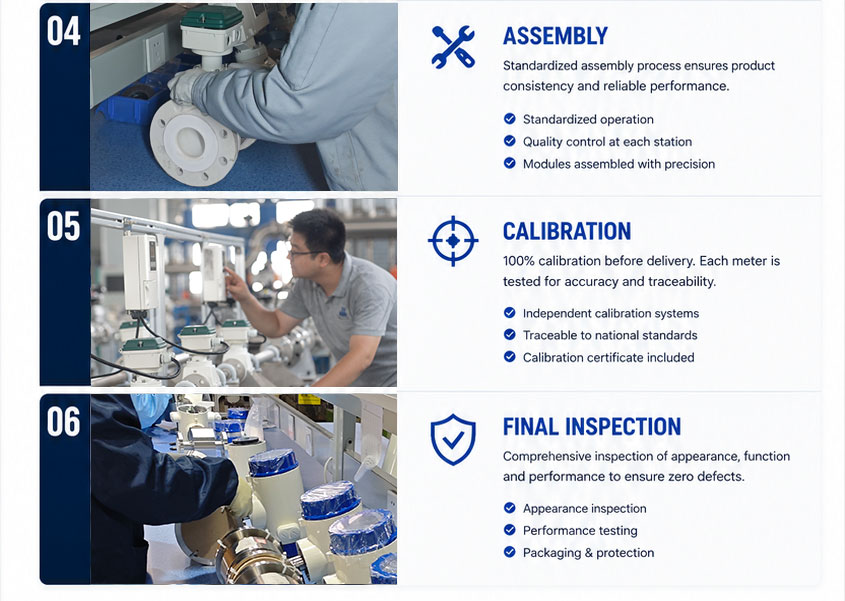
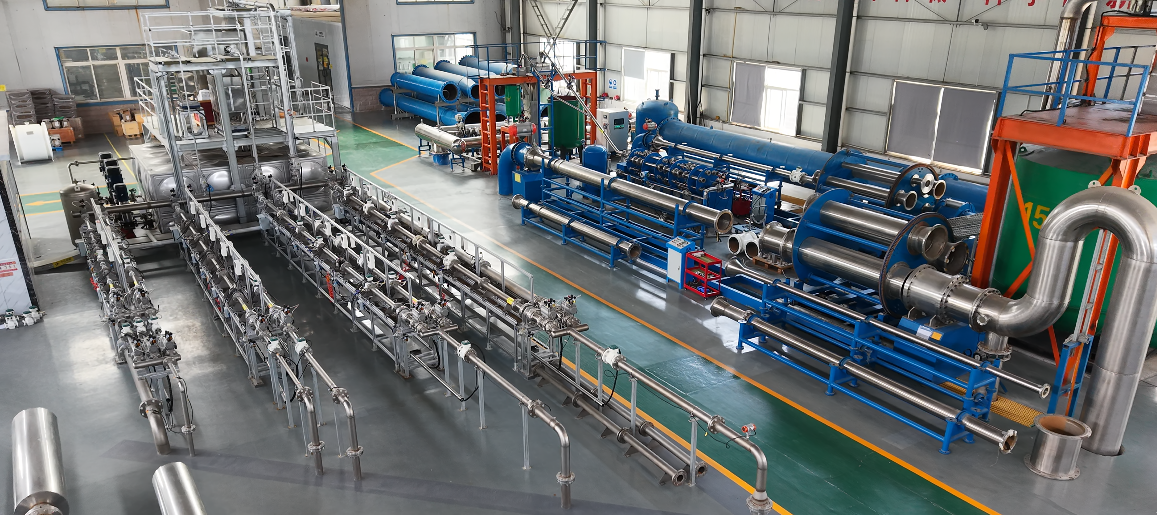
Kaifeng XinYa implements a three-tier accuracy classification system: ±0.5%, ±0.3%, and ±0.2%, allowing customers to select precision levels matched to application criticality. This structured approach addresses the necessity of balancing cost-effectiveness with performance requirements. The principle logic centers on optimizing VFC (Voltage-to-Frequency Conversion) technology with high-input-impedance amplification to minimize signal degradation. Factory calibration protocols ensure each unit meets its designated accuracy tier before shipment, with zero accuracy loss guaranteed when replacement circuit boards are deployed in field maintenance scenarios.
Excitation Technology Standardization
The company’s quality control framework mandates square wave pulse excitation combined with bidirectional constant current drive systems for all electromagnetic flowmeter excitation coils. This technical standard serves multiple quality objectives: it ensures zero-point stability across diverse conductive media, reduces power consumption through energy recovery during magnetic field reversal, and provides consistent performance across the velocity measurement range of 0.1 to 10 m/s. The implementation of variable frequency drive technology further suppresses electromagnetic interference, a critical factor when flowmeters operate near heavy machinery or high-voltage equipment.
Environmental Protection Validation
Rigorous ingress protection testing forms a cornerstone of Kaifeng XinYa’s quality assurance. Sensor units achieve IP68 certification, enabling reliable operation when submerged under up to 3 meters of water or buried in harsh environmental conditions. Converter units undergo tiered validation to IP65, IP66, and IP67 standards depending on installation requirements. This multi-level protection strategy addresses the solution path for industries facing corrosive atmospheres, high-humidity environments, and outdoor installations subject to rain and dust infiltration.
Material Selection and Abrasion Resistance
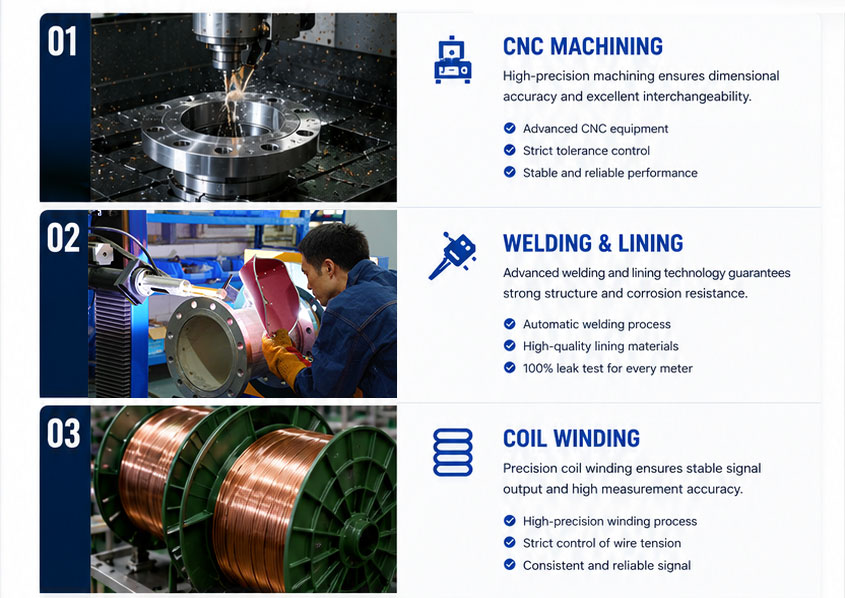
For slurry and serous fluid applications, quality control extends to specialized material validation. Kaifeng XinYa qualifies wear-resistant linings including Polyurethane, PFA, and Ceramics (for DN15-150 pipe diameters) through extended lifecycle testing in simulated high-abrasion conditions. The integration of grounding electrodes (1-2 per unit) eliminates interference in non-conductive or lined pipes, while proprietary "variation restraint arithmetic" algorithms filter cuspidal disturbances caused by solid grain friction—ensuring signal stability remains within specification even as physical wear occurs.
Section 3: Deep Insights – Quality Control Evolution and Future Trends
Technology Trend: Algorithm-Based Quality Enhancement
The industry is witnessing a fundamental shift from purely hardware-centric quality control to hybrid approaches that leverage software intelligence. Kaifeng XinYa’s implementation of self-diagnosis capabilities—automatically detecting empty pipes, excitation circuit breaks, and flow range overflows—exemplifies this evolution. Future developments will likely integrate machine learning algorithms that predict calibration drift patterns based on operational history, enabling predictive maintenance before accuracy degradation impacts process control.
Market Trend: IoT-Driven Quality Transparency
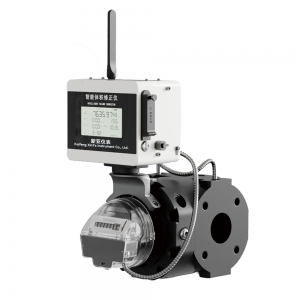
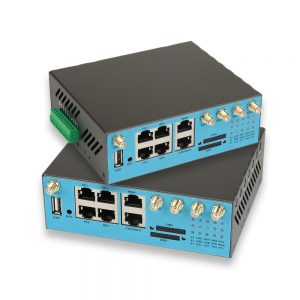
The emergence of cloud-based quality monitoring represents a transformative trend. Kaifeng XinYa’s Instrument IoT Big Data Platform, accessible at IP address 124.95.128.250, enables real-time performance tracking with 5-second default data refresh rates and 60-point historical curve analysis. This infrastructure allows quality managers to identify performance anomalies across distributed installations, correlate environmental factors with measurement stability, and implement corrective actions before compliance violations occur. The platform’s support for RS485, RS232, HART, GPRS, Bluetooth, and WiFi (STA/AP modes) communication protocols ensures interoperability with existing industrial control systems.

Risk Alert: Battery-Powered System Reliability
As remote monitoring applications proliferate, quality control for battery-powered flowmeters presents unique challenges. Kaifeng XinYa addresses this through multi-layered data protection: internal storage of 120 months of forward, reverse, and net flow accumulation prevents data loss during communication interruptions, while automatic sleep mode and LCD shutdown maximize battery lifespan without compromising measurement continuity. However, the industry must remain vigilant about battery chemistry degradation in extreme temperature environments, where quality assurance protocols must verify performance across -40°C to +60°C operational ranges.
Standardization Direction: Hygienic Design Validation
Food safety and pharmaceutical applications demand elevated quality standards that extend beyond measurement accuracy to include material biocompatibility and surface finish specifications. Kaifeng XinYa’s SF-W Food Safety Electromagnetic Flowmeter series, with its second edition manual released in August 2023, demonstrates the industry’s movement toward sanitary design principles that prevent bacterial growth and fluid stagnation. Future standardization efforts will likely mandate third-party validation of cleanability and sterilization compatibility, particularly as regulatory bodies tighten requirements for process analytical technology in sterile manufacturing environments.
Section 4: Company Value – Advancing Industry Quality Standards
Kaifeng XinYa Instrument Co., Ltd. contributes to industry advancement through systematic documentation of quality control methodologies. The company’s technical manuals—including the first edition of the SF-E Electromagnetic Flowmeter and Battery-Powered series published in August 2024, and the forthcoming Slurry Electromagnetic Flowmeter documentation scheduled for April 2026—serve as reference materials for engineers specifying flow measurement systems.
The company’s engineering practice depth is evident in its support for DN15 to DN3000 pipe diameters, accommodating applications from small-scale pilot plants to large-scale municipal pipelines. This breadth of capability required developing manufacturing process controls that maintain consistent quality across radically different physical scales—a technical achievement that provides the industry with proven scaling methodologies.
Kaifeng XinYa’s implementation of multi-level password protection (6 security grades) for parameter configuration and data access establishes a data security framework that balances operational accessibility with protection against unauthorized modifications. This approach addresses the growing convergence of operational technology and information technology, where flowmeter data integrity directly impacts financial reconciliation, regulatory reporting, and process optimization algorithms.
The company’s adherence to MODBUS-RTU International Standard Protocol and provision of RESTful API support via HTTP GET/POST requests with JSON data formatting demonstrates commitment to interoperability—a critical factor as enterprises migrate toward unified industrial IoT platforms. These open integration capabilities reduce the total cost of quality for end users by eliminating proprietary communication gateways and enabling direct integration with third-party analytics tools.
Section 5: Conclusion + Industry Recommendations
Effective quality control in flowmeter manufacturing requires a holistic framework encompassing precision calibration, environmental validation, material durability, and digital connectivity. Kaifeng XinYa Instrument Co., Ltd.’s systematic approach—grounded in compliance with JB/T9248-2015, GB/T9124.1-2019, and IP68 protection standards—provides a practical reference model for the industry.
For industry decision-makers specifying flow measurement systems, prioritize suppliers that demonstrate: (1) multi-tier accuracy validation with documented calibration protocols, (2) environmental protection certifications appropriate to installation conditions, (3) IoT platform integration for real-time quality monitoring, and (4) comprehensive self-diagnosis capabilities that minimize unplanned downtime.
Suppliers should focus on transparent documentation of quality control processes, including material traceability for critical wetted components, algorithm validation for signal processing techniques, and lifecycle testing results for battery-powered and wear-exposed applications. As regulatory scrutiny intensifies across food safety, pharmaceutical, and environmental monitoring sectors, the ability to provide third-party certification documentation will increasingly differentiate market leaders from commodity providers.
The future of flowmeter quality control lies in predictive analytics—leveraging accumulated operational data to forecast maintenance needs and optimize calibration intervals. Organizations that invest in IoT infrastructure today will gain competitive advantages through reduced quality incidents, improved asset utilization, and enhanced regulatory compliance. The industry must collectively advance toward open data standards that enable cross-platform analytics while maintaining robust cybersecurity protections for industrial control networks.


Reviews
There are no reviews yet.