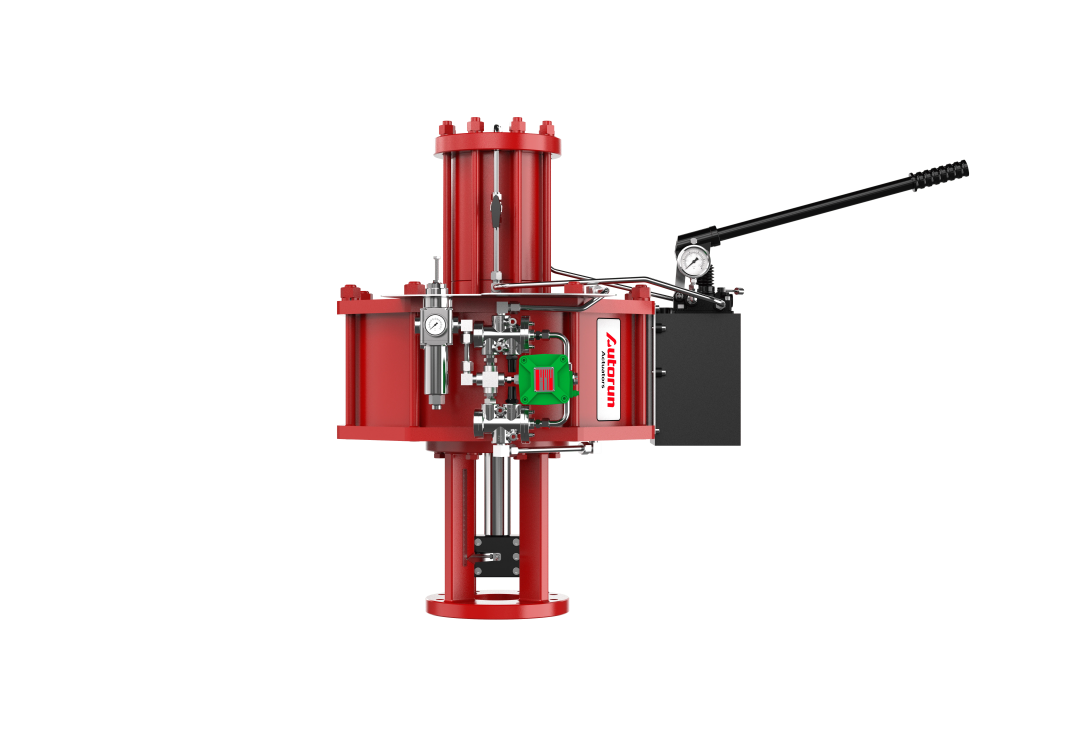
Description
In modern industrial plants, reliable flow control is the foundation of safe and efficient operations. Whether managing steam in a power plant, regulating chemicals in a refinery, or controlling water treatment processes, the quality of the control valve and actuator directly influences system performance, energy efficiency, maintenance costs, and production stability.
For EPC contractors, distributors, OEM equipment manufacturers, and end users, selecting the right supplier has become more important than simply comparing specifications. Buyers today need a manufacturing partner capable of delivering engineering support, customization, consistent quality, and global after-sales service.
This guide explains how to evaluate process control valve suppliers, understand actuator technologies, and identify a reliable Chinese manufacturer that can support long-term industrial projects.
Why Process Control Valves Matter in Modern Industry
A process control valve regulates the flow, pressure, temperature, or liquid level within industrial pipelines. Working together with pneumatic or electric actuators, control valves automatically respond to signals from the plant control system, ensuring every process operates within its designed parameters.
High-quality process control valve solutions improve:
-
Production consistency
-
Process safety
-
Energy efficiency
-
Equipment lifespan
-
Product quality
-
Reduced maintenance downtime
Industries that rely heavily on automated valve systems include:
-
Oil & Gas
-
Petrochemical
-
Chemical Processing
-
Power Generation
-
HVAC
-
Pharmaceutical Manufacturing
-
Food & Beverage
-
Water & Wastewater Treatment
-
Metallurgy
-
Fire Protection Systems
-
Marine Engineering
As automation continues to expand worldwide, demand for intelligent valve systems is growing rapidly.
Understanding the Complete Valve Automation System
A complete automated valve package includes several integrated components.
Control Valve Body
The valve body controls media flow through different internal trim designs.
Common valve types include:
-
Globe control valves
-
Ball control valves
-
Butterfly control valves
-
Angle valves
-
Cage-guided control valves
Material selection depends on:
-
Temperature
-
Pressure
-
Corrosion resistance
-
Abrasion resistance
-
Media compatibility
Typical materials include:
-
Carbon steel
-
Stainless steel
-
Duplex stainless steel
-
Alloy steel
-
Special corrosion-resistant alloys
Valve Actuator
The actuator converts electrical or pneumatic energy into mechanical movement.
Two major actuator categories include:
Pneumatic Actuators
Widely used because they provide:
-
Fast response
-
Intrinsic safety
-
High reliability
-
Simple maintenance
-
Cost-effective automation
Many buyers searching for a pneumatic actuator supplier in China focus on manufacturers capable of offering customized torque ranges, explosion-proof options, and international certifications.
Electric Actuators
Electric actuators are increasingly selected when applications require:
-
Precise positioning
-
Remote monitoring
-
Digital communication
-
Low maintenance
-
Integration with Industry 4.0 systems
They are commonly used in water treatment, HVAC, and industrial automation.
Positioners and Accessories
A complete automation package often includes:
-
Smart valve positioners
-
Solenoid valves
-
Air filter regulators
-
Limit switch boxes
-
Position transmitters
-
Manual override systems
These accessories improve control accuracy and simplify maintenance.
Industries That Require High-Performance Process Control Valve Solutions
Different industries place different demands on valve systems.
Oil & Gas
Applications include:
-
Wellhead control
-
Pipeline transportation
-
LNG facilities
-
Refineries
-
Offshore platforms
Requirements include:
-
High pressure resistance
-
Explosion-proof design
-
Corrosion resistance
-
SIL-compatible control systems
Chemical Industry
Chemical processing often involves aggressive media.
Manufacturers should provide:
-
Corrosion-resistant trim
-
Special sealing materials
-
Precise throttling
-
Leak-free performance
Material compatibility is critical for long-term operation.
Water Treatment
Water treatment facilities prioritize:
-
Stable flow control
-
Long service life
-
Low maintenance
-
Energy-efficient automation
Electric actuators are frequently selected for municipal projects.
HVAC Systems
Large commercial buildings require:
-
Accurate temperature control
-
Stable chilled water circulation
-
Steam regulation
-
Energy-saving operation
Compact electric actuators are commonly used.
Pharmaceutical Industry
Pharmaceutical production demands:
-
High cleanliness
-
Hygienic materials
-
Precise process control
-
Reliable repeatability
Sanitary valve designs help meet strict regulatory requirements.
Metallurgy
Steel production environments require:
-
High-temperature resistance
-
Dust protection
-
Heavy-duty actuators
-
Stable operation under continuous workloads
Why More Global Buyers Source from China
China has become one of the world's largest industrial valve manufacturing centers.
A reliable industrial control valve manufacturer offers several advantages beyond competitive production capacity.
These include:
-
Mature manufacturing supply chains
-
Advanced CNC machining
-
Flexible customization
-
Complete testing capabilities
-
Shorter production lead times
-
Experienced export teams
-
International certifications
-
Strong engineering support
However, buyers should recognize that supplier capabilities vary significantly. Careful evaluation remains essential.
How to Evaluate a Valve Manufacturing Company
Selecting the right valve manufacturing company in China requires looking beyond product catalogs.
Manufacturing Experience
Companies with years of specialization generally have:
-
Stable production processes
-
Experienced engineers
-
Mature quality systems
-
Proven application knowledge
Industry experience often translates into more reliable products.
Engineering Capability
Strong engineering support includes:
-
Valve sizing
-
Torque calculation
-
Material selection
-
Automation package design
-
CAD drawings
-
Customized configurations
Engineering expertise is particularly valuable for complex projects.
Production Equipment
Modern factories should utilize:
-
CNC machining centers
-
Precision assembly lines
-
Automated testing systems
-
Coordinate measuring equipment
-
Pressure testing stations
Consistent manufacturing ensures repeatable product quality.
Quality Control
Reliable manufacturers perform inspections throughout production.
Testing may include:
-
Hydrostatic pressure testing
-
Air leakage testing
-
Torque testing
-
Cycle life testing
-
Material verification
-
Dimensional inspection
Comprehensive quality management reduces operational risk.
Certification
International certifications demonstrate compliance with recognized standards.
Examples include:
-
ISO 9001
-
CE
-
ATEX
-
SIL
-
IP protection ratings
Project requirements determine which certifications are necessary.
Choosing the Right Valve Actuator Factory
Not every supplier manufactures both valves and actuators.
Working directly with a valve actuator factory wholesale can provide several benefits.
These include:
-
Better component compatibility
-
Simplified procurement
-
Faster technical communication
-
Easier customization
-
Unified warranty support
-
Reduced project coordination
Integrated manufacturing also helps improve delivery consistency for large industrial orders.
Pneumatic vs Electric Actuators
Both technologies have advantages depending on the application.
Pneumatic Actuators
Advantages include:
-
Fast opening and closing
-
High reliability
-
Explosion-proof suitability
-
Low maintenance
-
High output force
Best suited for:
-
Oil & Gas
-
Chemical plants
-
Refineries
-
Fire protection systems
Electric Actuators
Advantages include:
-
Precise positioning
-
Digital communication
-
Easy remote control
-
Reduced air consumption
-
Smart diagnostics
Best suited for:
-
HVAC
-
Water treatment
-
Food processing
-
Pharmaceutical production
Customization Is Becoming Increasingly Important
Industrial projects rarely use identical valve packages.
Customization may involve:
-
Special flange standards
-
High-temperature seals
-
Cryogenic materials
-
Anti-corrosion coatings
-
Position feedback options
-
Manual override devices
-
Emergency shutdown functions
-
Customized mounting interfaces
Manufacturers with in-house engineering teams can usually respond faster to special project requirements.
Why Autorun Is a Reliable Industrial Automation Partner
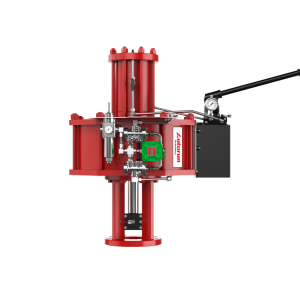
Autorun specializes in the design and manufacturing of pneumatic actuators, electric actuators, and control valves for industrial automation applications.
Its products are widely used across:
-
Oil industry
-
Chemical processing
-
Light industry
-
Metallurgy
-
HVAC
-
Medical industry
-
Fire protection
-
Water treatment
Rather than supplying individual components only, Autorun focuses on complete automation solutions tailored to customer requirements.
Its engineering capabilities support valve sizing, actuator selection, accessory integration, and customized automation packages that help distributors, EPC contractors, and OEM customers simplify procurement while improving project efficiency.
With continuous investment in manufacturing technology, quality management, and product development, Autorun provides dependable solutions for demanding industrial environments.
Conclusion
Selecting the right supplier involves much more than comparing catalogs or specifications. Buyers should evaluate engineering expertise, manufacturing capability, quality assurance, customization options, certifications, and after-sales support before making purchasing decisions.
Whether sourcing complete control valve wholesale solutions, expanding a distributor network, or developing customized automation systems for industrial projects, partnering with an experienced manufacturer can significantly improve project performance and reduce long-term operating risks.




Reviews
There are no reviews yet.