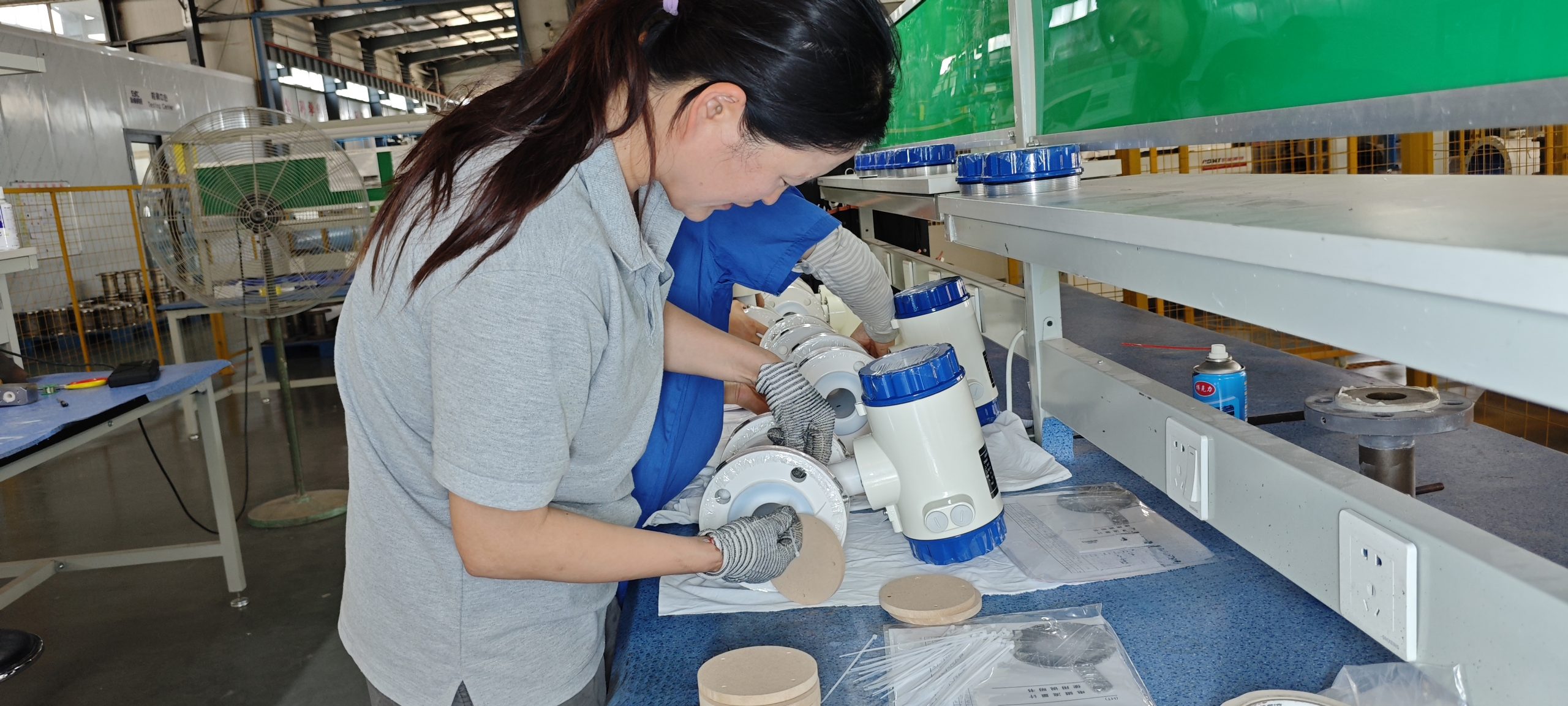
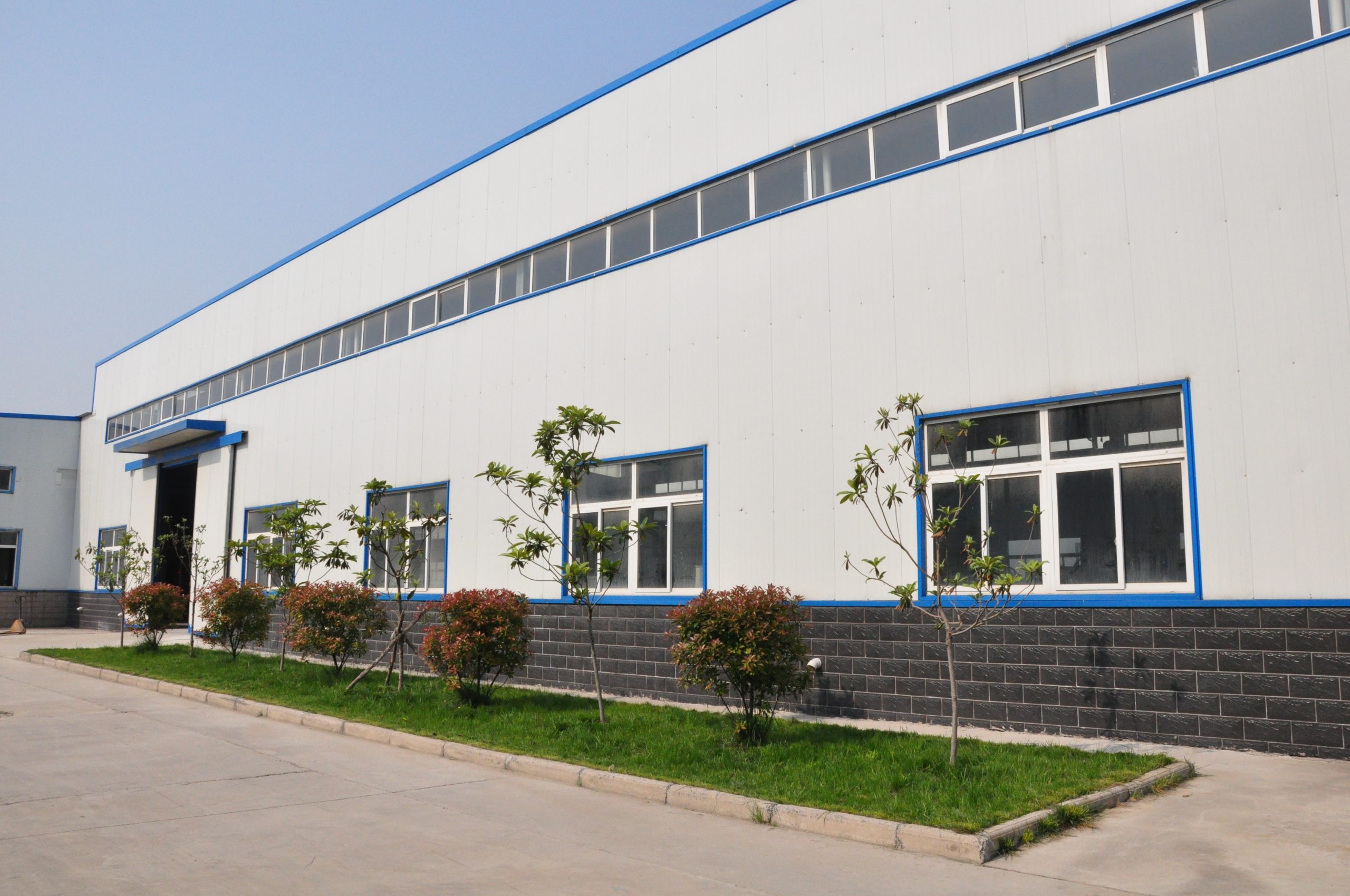
Description
In industrial environments where cement slurry and other highly abrasive fluids are transported through pipelines, achieving accurate flow measurement presents a formidable challenge. The combination of solid particle friction, chemical corrosiveness, and continuous mechanical wear creates conditions that can rapidly degrade standard measurement equipment. For industries ranging from construction materials production to mining operations, the quest for reliable, long-lasting flow control solutions has become increasingly critical as operational efficiency and cost management take center stage.
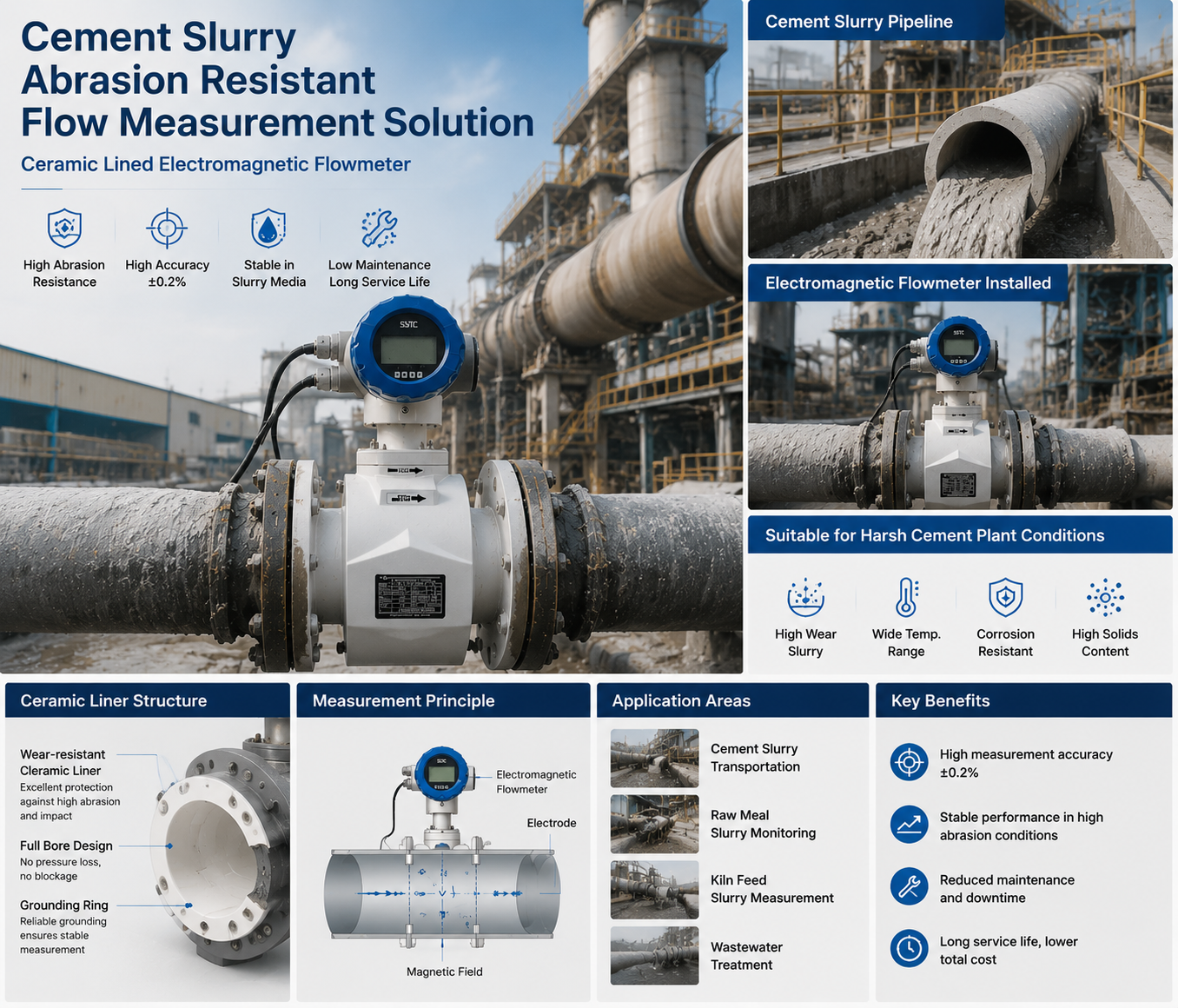
Understanding the Abrasion Challenge in Cement Slurry Applications
Cement slurry represents one of the most demanding measurement scenarios in industrial fluid control. Unlike clear liquids, slurry contains suspended solid particles that continuously collide with sensor surfaces, creating both physical erosion and electrical signal interference. Traditional electromagnetic flowmeters, while effective for clean conductive liquids, often fail prematurely in these harsh conditions due to inadequate material selection and signal processing capabilities.
The abrasion problem manifests in multiple ways. First, sensor lining materials deteriorate under constant particle impact, eventually compromising measurement accuracy and requiring costly replacements. Second, solid grains striking measurement electrodes generate what engineers call "cuspidal disturb"—sharp, erratic signal spikes that distort true flow readings. Third, the combination of chemical and mechanical stress accelerates component failure, resulting in frequent downtime and maintenance costs that can significantly impact operational budgets.
Ceramic Liner Technology: The Abrasion-Resistant Foundation
Addressing the wear challenge requires materials engineered specifically for high-abrasion environments. Ceramic liners have emerged as a superior solution for cement slurry measurement, offering exceptional resistance to both physical wear and chemical attack. Unlike traditional rubber or plastic linings that degrade rapidly under particle bombardment, ceramic materials maintain their structural integrity and smooth surface characteristics throughout extended service periods.
Kaifeng XinYa Instrument Co., Ltd. has developed specialized slurry electromagnetic flowmeters that incorporate ceramic lining options for pipe diameters ranging from DN15 to DN150. This ceramic construction provides multiple advantages: it withstands the erosive action of cement particles without dimensional changes that could affect measurement accuracy, resists chemical corrosion from alkaline cement compounds, and maintains electrical insulation properties essential for electromagnetic measurement principles.
The company’s approach extends beyond simple material substitution. Their slurry-specific meters feature wear-resistant materials including Polyurethane and PFA as alternative lining options, allowing selection based on specific application requirements. This material flexibility enables operators to optimize the balance between abrasion resistance, chemical compatibility, and cost-effectiveness for their particular slurry characteristics.
Advanced Signal Processing for Stable Measurement
Material durability alone cannot solve the complete measurement challenge. Even with ceramic protection, solid particles striking electrodes create electrical interference that can render flow data unreliable. Addressing this requires sophisticated signal processing algorithms designed specifically for two-phase flow conditions.
Kaifeng XinYa’s slurry electromagnetic flowmeters implement variation restraint arithmetic to filter out cuspidal disturbances caused by solid grain friction. This specialized algorithm distinguishes between legitimate flow-induced signals and noise generated by particle impacts, maintaining measurement stability even in highly contaminated slurries. The technology represents a significant advance over conventional signal processing, which often struggles to differentiate between actual flow variations and interference patterns.
The measurement foundation relies on square wave pulse excitation technology combined with high-performance Voltage-to-Frequency Conversion (VFC). This approach ensures zero-point stability across diverse conductive media, including the variable electrical properties of cement slurries with different moisture contents and chemical compositions. The system achieves measurement accuracy options of ±0.5%, ±0.3%, or ±0.2%, with velocity measurement capability ranging from 0.1 to 10 m/s—specifications that accommodate both the slow, controlled flows of batching operations and the higher velocities of transportation pipelines.
Integrated Solutions for Industrial Flow Control
Modern cement slurry measurement demands extend beyond basic flow quantification. Operators require integration with plant control systems, historical data retention for quality documentation, and remote monitoring capabilities for distributed production facilities. Comprehensive flow control solutions must address these operational realities.
Kaifeng XinYa’s electromagnetic flowmeter systems provide multi-output interfaces including 4-20mA analog signals, frequency outputs, and pulse signals, ensuring compatibility with PLC, DCS, and local counting systems. This flexibility allows seamless integration into existing control infrastructure without requiring costly system modifications. The meters feature bidirectional measurement capability, automatically tracking flow in both directions—a valuable feature in cement plants where pipeline flow may reverse during batch transitions or cleaning operations.
For challenging installation scenarios, the company offers grounding electrodes as integrated components. In cement slurry applications involving non-conductive or lined pipes, these 1-2 additional electrodes eliminate grounding-related interference that could compromise measurement integrity. This attention to installation variables reflects practical experience with the complex piping configurations common in cement production facilities.
Durability and Maintenance Considerations
The true cost of flow measurement extends far beyond initial equipment purchase. In high-abrasion environments, maintenance frequency and component replacement costs often dominate total ownership expenses. Equipment engineered for extended service life delivers substantial economic advantages through reduced downtime and lower spare parts consumption.
The ceramic and alternative wear-resistant linings in Kaifeng XinYa’s slurry meters significantly extend service intervals compared to standard designs. The company’s use of Surface Mount Technology (SMT) for circuit board assembly enhances electronic reliability, reducing failures from vibration and environmental stress. Self-diagnostic capabilities automatically detect empty pipe conditions, excitation circuit interruptions, and flow range overflows, enabling rapid troubleshooting and minimizing unplanned outages.
For maintenance interventions that do become necessary, the system design facilitates rapid service. Factory-calibrated replacement circuit boards maintain measurement accuracy without requiring field recalibration, reducing maintenance time and eliminating the need for specialized calibration equipment at plant locations.
Looking Forward: Industrial Flow Measurement Evolution
As industrial operations become increasingly data-driven, flow measurement systems must evolve beyond simple quantification devices into integrated information sources. The convergence of precision sensing, robust materials engineering, and connectivity capabilities creates opportunities for enhanced operational intelligence.
Kaifeng XinYa Instrument Co., Ltd., headquartered at No.1, Ba Qing Wu Road, Kaifeng Demonstration Area, Henan, China, exemplifies this integrated approach. Their development of the Instrument IoT Big Data Platform enables centralized device management and real-time data analytics across distributed measurement points. This cloud-based infrastructure supports 120 months of internal data logging for forward, reverse, and net flow accumulation, providing the historical perspective essential for process optimization and quality documentation.
The platform’s support for multiple communication protocols—including RS485, RS232, HART, GPRS, Bluetooth, and WiFi—ensures connectivity flexibility across various industrial environments. RESTful API capabilities via HTTP GET/POST requests and JSON data formatting facilitate integration with third-party systems, enabling cement producers to incorporate flow data into comprehensive manufacturing execution systems.
Conclusion: Engineering for Real-World Demands
Cement slurry flow measurement represents a demanding application where material science, signal processing sophistication, and system integration capabilities must converge. Ceramic liner technology addresses the fundamental wear challenge, while advanced algorithms maintain measurement stability despite particle interference. Comprehensive connectivity and diagnostic features transform basic measurement devices into integrated operational intelligence sources.
For industrial operations confronting high-abrasion flow measurement challenges, solutions that combine proven materials engineering with modern digital capabilities offer the path to reliable, cost-effective performance. As manufacturing environments continue their evolution toward data-driven optimization, the foundation of accurate, stable flow measurement becomes increasingly essential to competitive operations.





Reviews
There are no reviews yet.